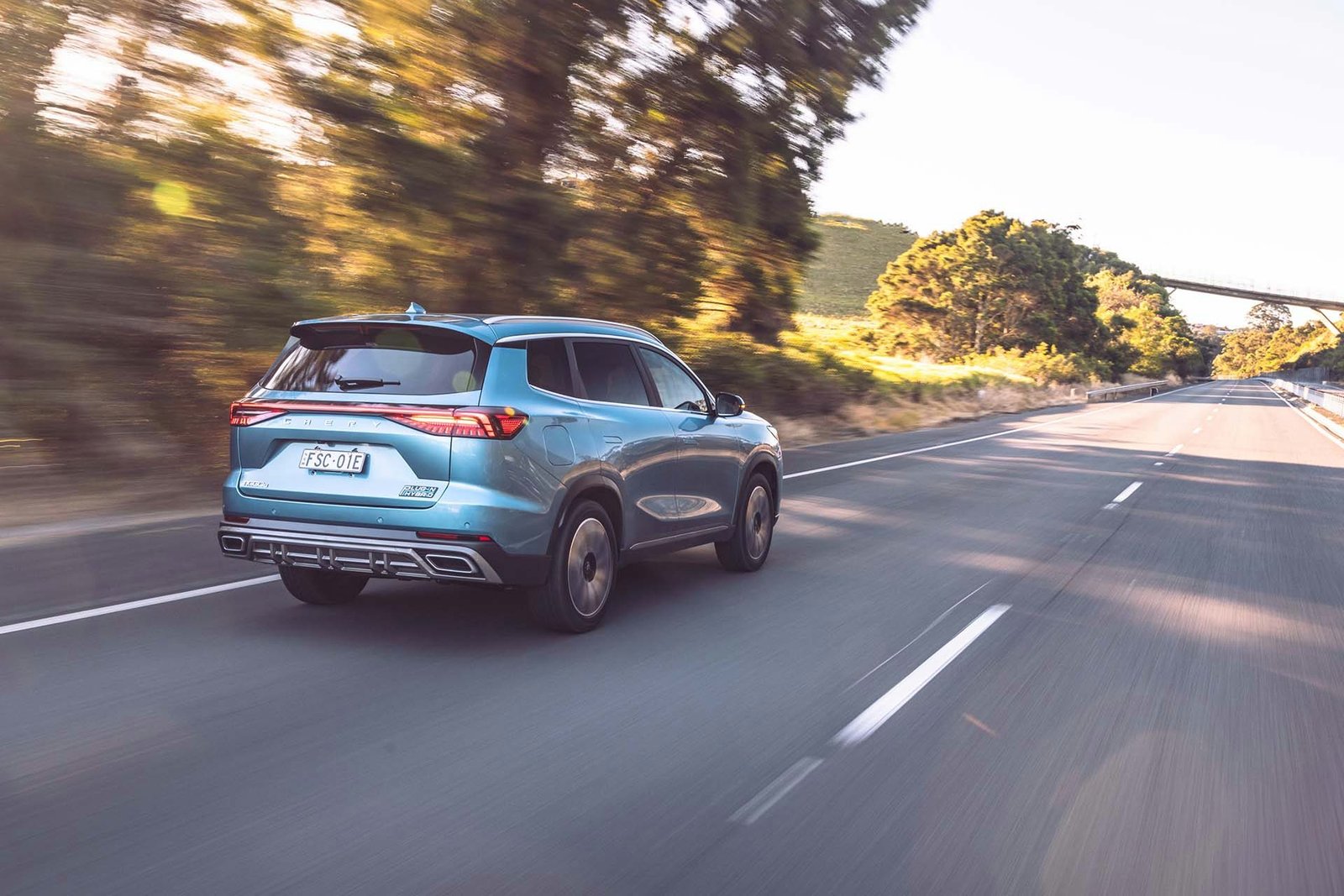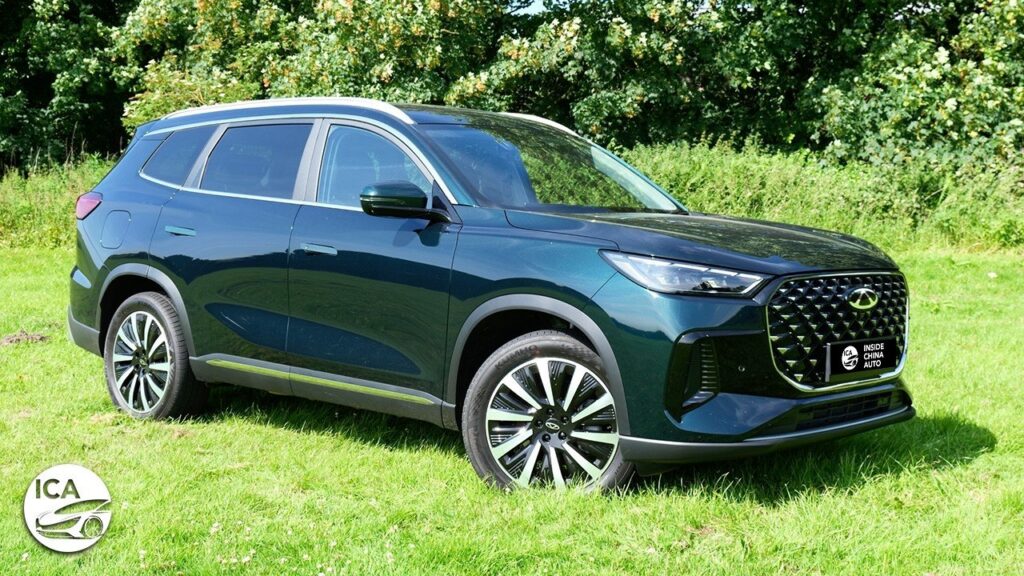
Chery’s Tiggo 8 CSH adds a third row, more mature styling, and a larger screen to the Tiggo 7’s super hybrid recipe. It isn’t the sharper drive, but it is the better deal.
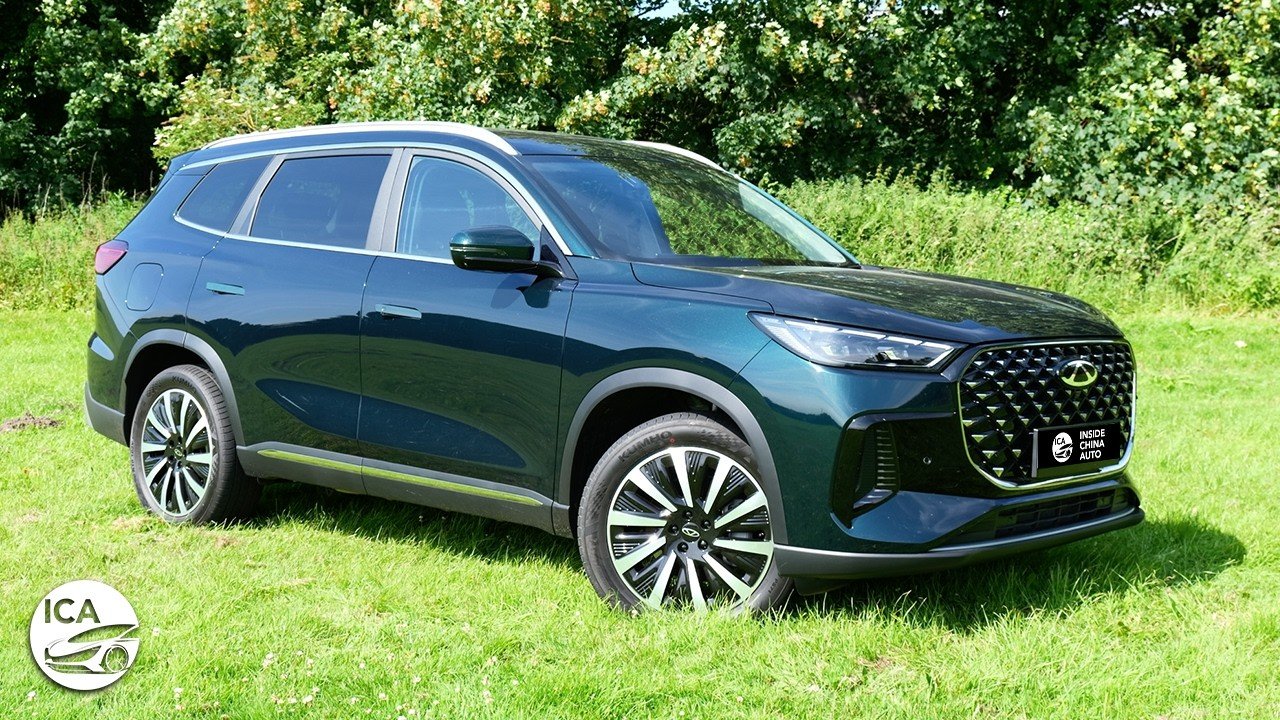
Chery is fast developing a reputation for making well equipped, handsomely styled, affordable family SUVs. It offers four under the Chery brand alone, and even more, like the wildly popular Jaecoo 7, among its three other brands currently in most western markets.
The Tiggo 8 CSH somehow squeezes into the narrow vacant space between the somewhat older five-seat Tiggo 7 and the newer seven-seat Tiggo 9, attempting to be all things to all people when they need it.
But does it suffer as a result of trying too much to please everyone, or does it manage to successfully be the jack of all trades? We took one for a week to find out.
Why does the Chery Tiggo 8 CSH exist?
The Tiggo 8 is the bigger brother to the Tiggo 7, and the CSH badge stands for Chery Super Hybrid, the brand’s plug-in hybrid system. Mechanically the two cars are near-identical, sharing the same 1.5-litre turbocharged petrol engine and electric motor, with the motor doing the bulk of the work. The engine chips in under hard loads and high speeds, and helps charge the battery the rest of the time, when you ask it to.
What the Tiggo 8 adds is space. It’s around 4.75 metres long, a little taller than the Tiggo 7 and with a longer wheelbase, though oddly enough it is a couple of millimetres narrower. Most importantly, it has a third row, so it’ll carry seven people, which puts it in a very different part of the family SUV market.
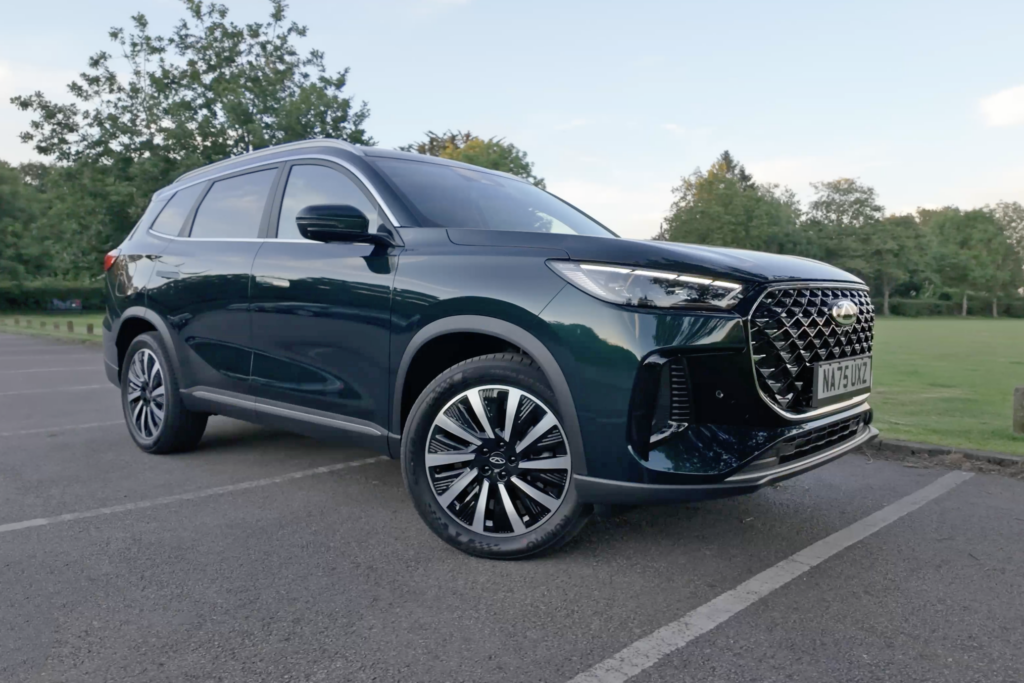
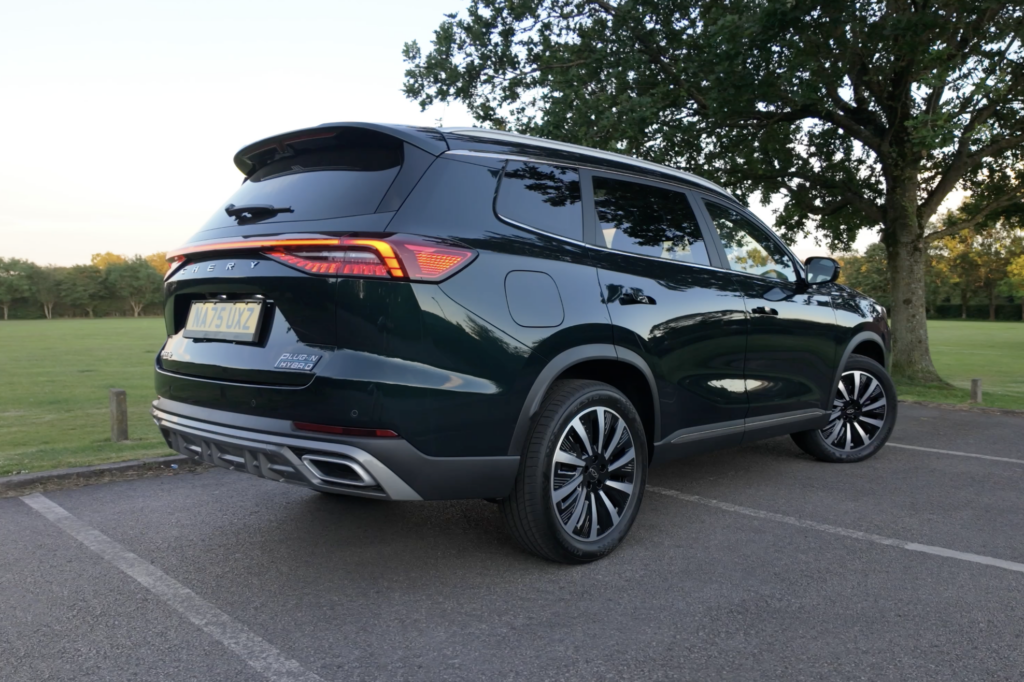
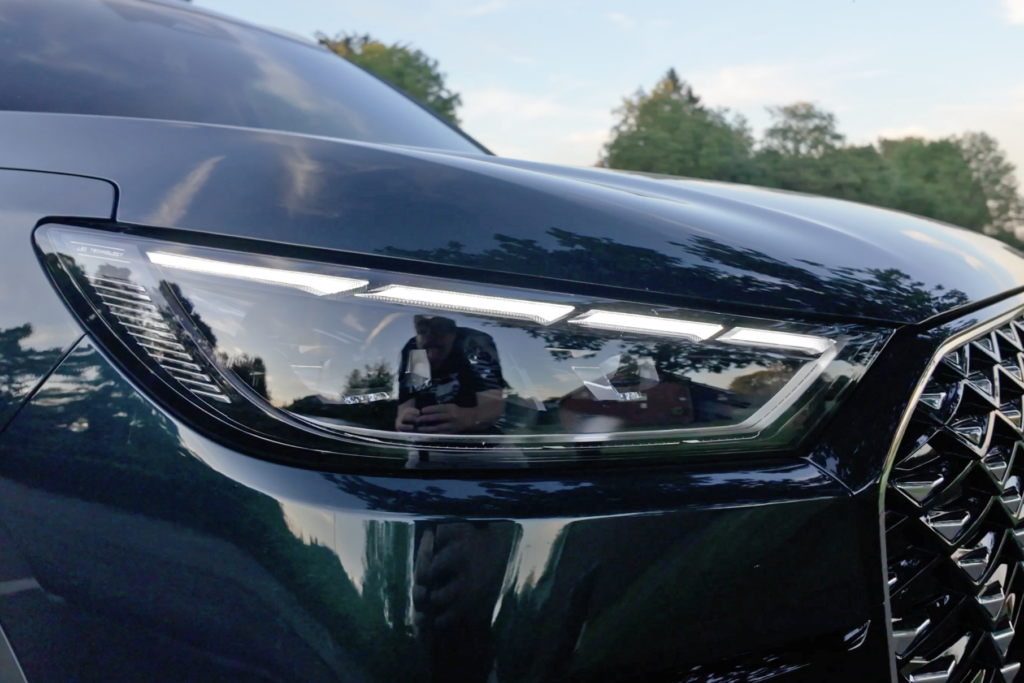
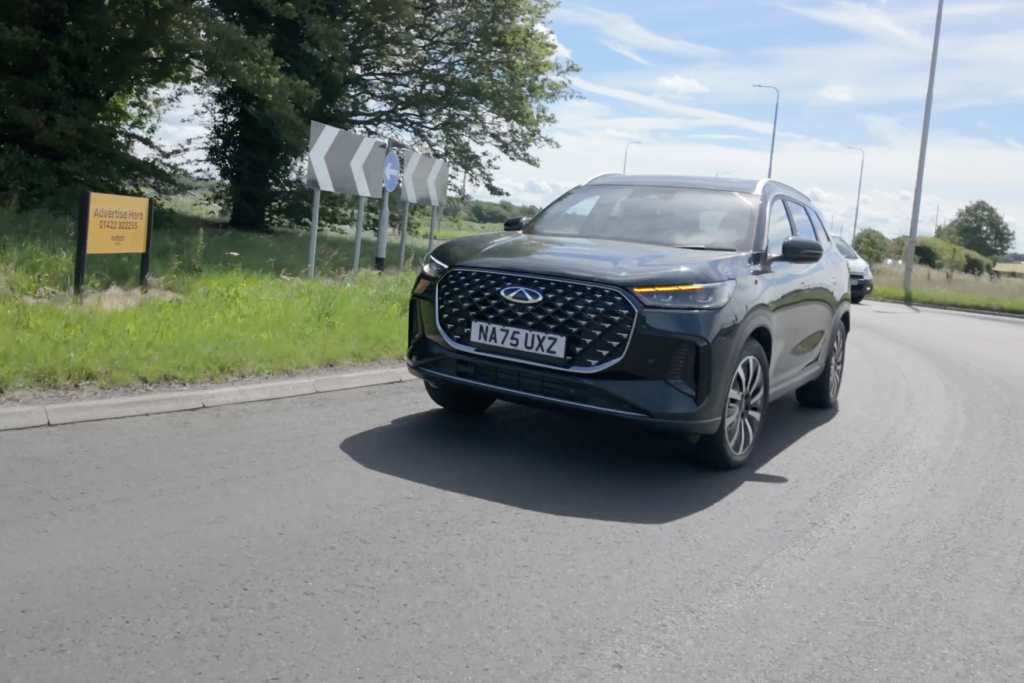
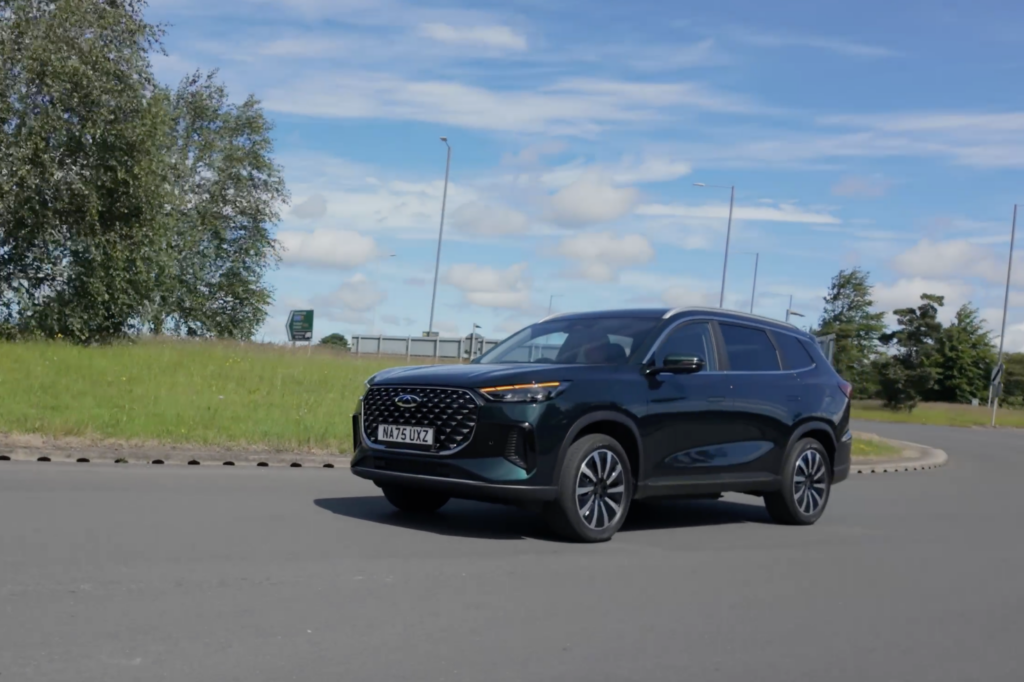
It looks every bit the Tiggo family member, with the same tiger-eye style headlamps and a ten-sided grille with relatively tasteful bits of chrome here and there. At the front it sits somewhere between an Audi and a Genesis, and it’s a rather classy-looking thing as a result. A little less rugged looking, and perhaps even a little more anonymous, than the Tiggo 7, but more mature as a result.
At the back there’s a full-width daytime running light and some little jewel-like ice cube like details that light up in sequence when you turn the car on. They’re a bit similar to a Lynk & Co, which isn’t a bad thing, but the fake diffuser and fake exhaust outlets are perhaps unnecessary. This isn’t a performance car after all.
What’s it like inside?
We’ll start with the boot, this being a family car, and it’s here that the first compromise is found. With all seven seats in place there are just 117 litres of boot space, which is a fair bit less than some rivals like the Skoda Kodiaq, which is a shorter car but squeezes 340-litre in behind the rear seats and under the boot floor.
Fold the third row down on the Tiggo 8 and a more respectable 494 litres materialises, but this is again some way short of the Kodiaq’s 910. Things get close to parity with the second row seats folded, the Tiggo 8 managing 1,930 litres, but it’s still a little short of the Kodiaq.
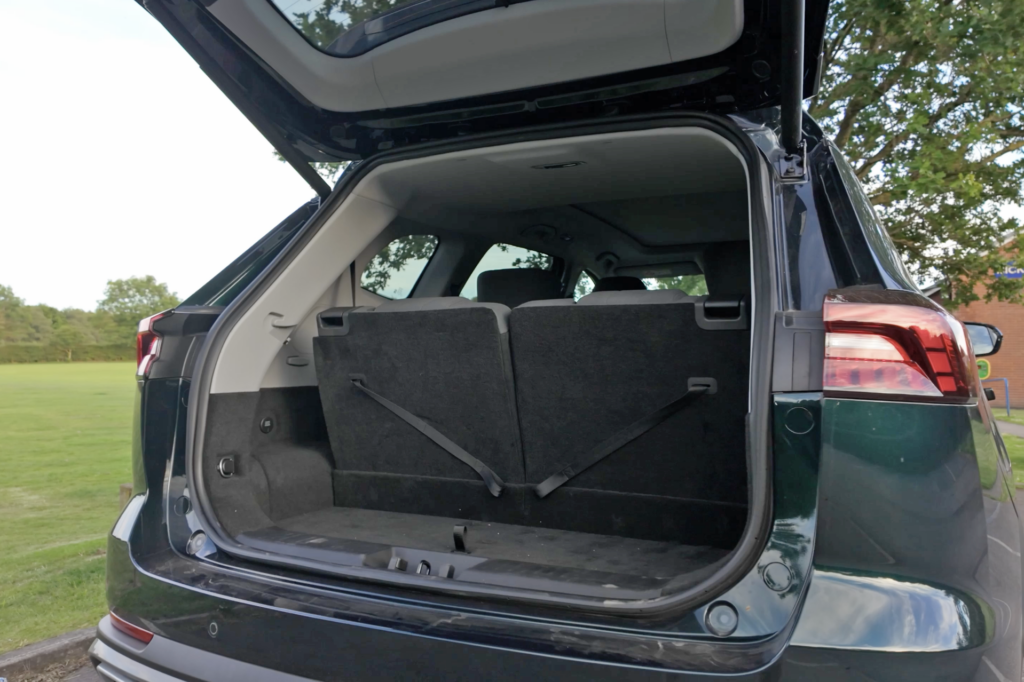
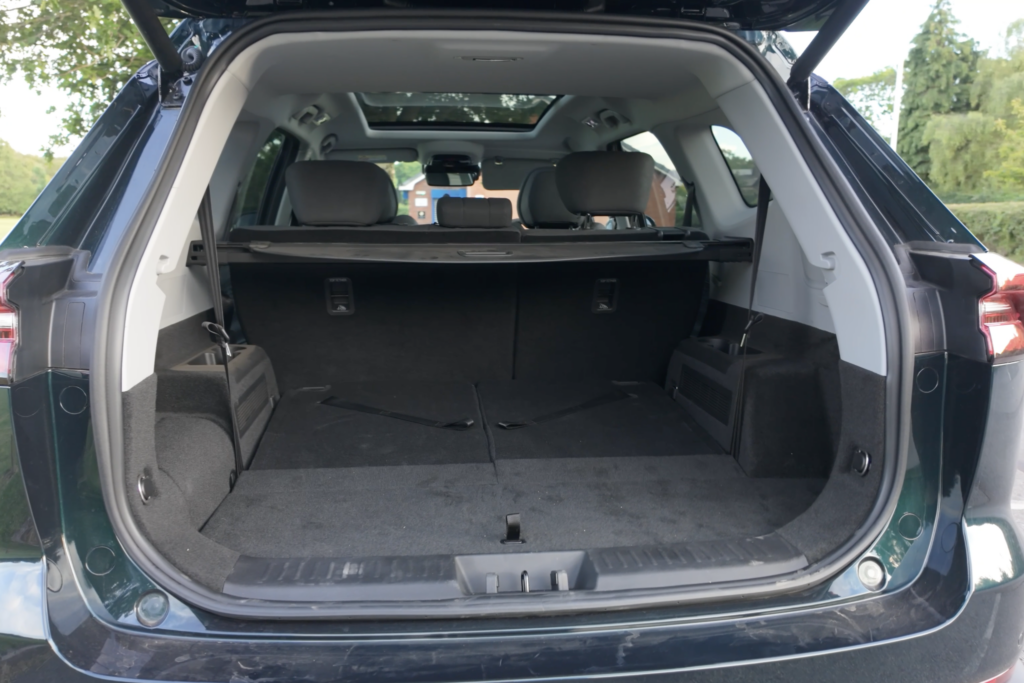
The opening is at least nice and wide and there’s a parcel shelf if you’re not using the third row, but there’s no real extra storage under the floor. The Summit version gets a powered tailgate, and a hands-free one at that, though like so many of these it was not particularly easy to get to work.
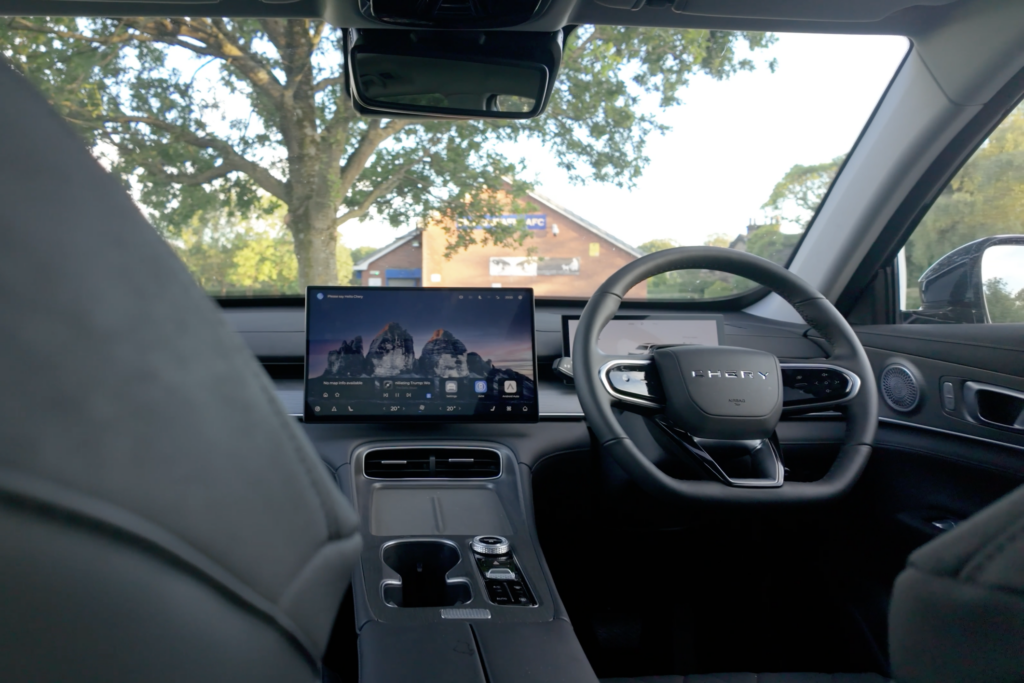
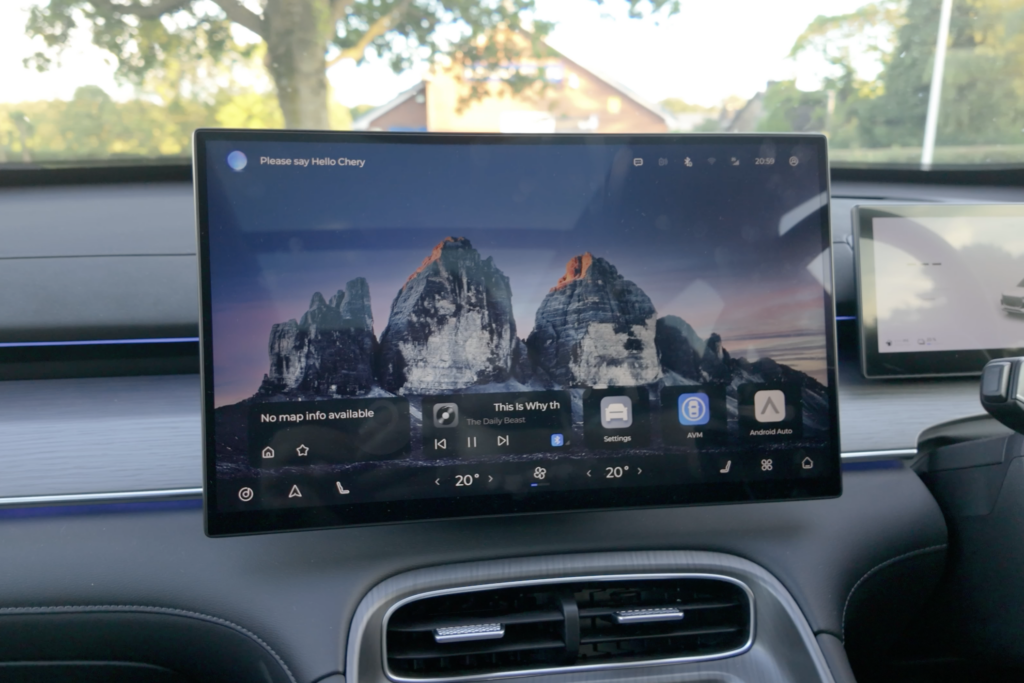
Heading into the cabin proper, and the Tiggo 8 looks a lot more like most modern electrified cars from China, with a 15.6-inch tablet-style screen in the centre, as opposed to the Tiggo 7’s curved, semi-integrated 12.3-inch setup.
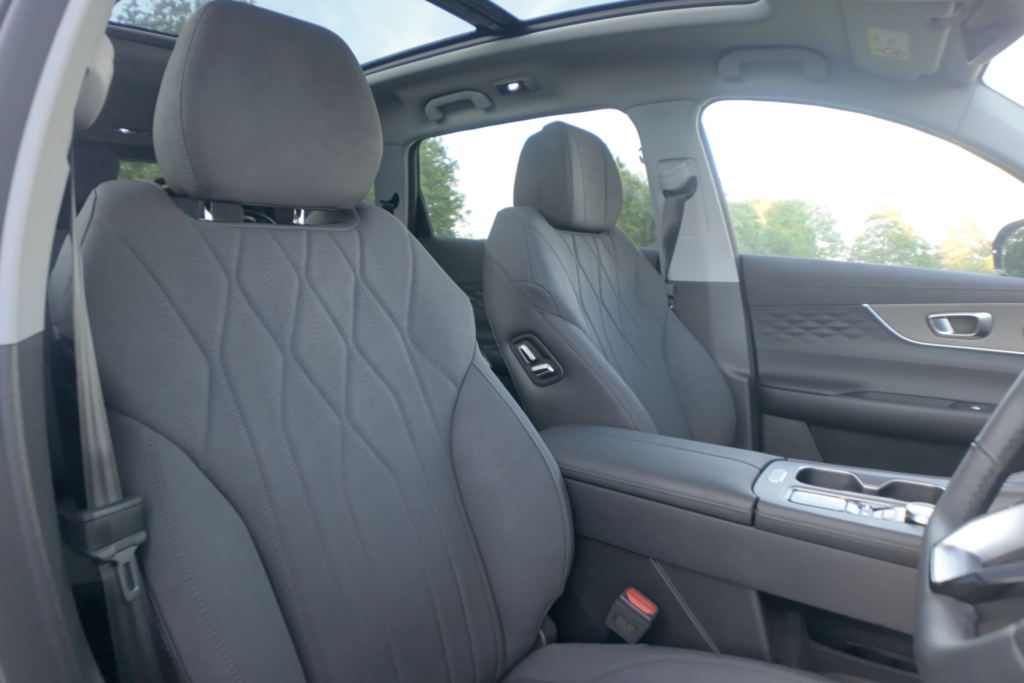
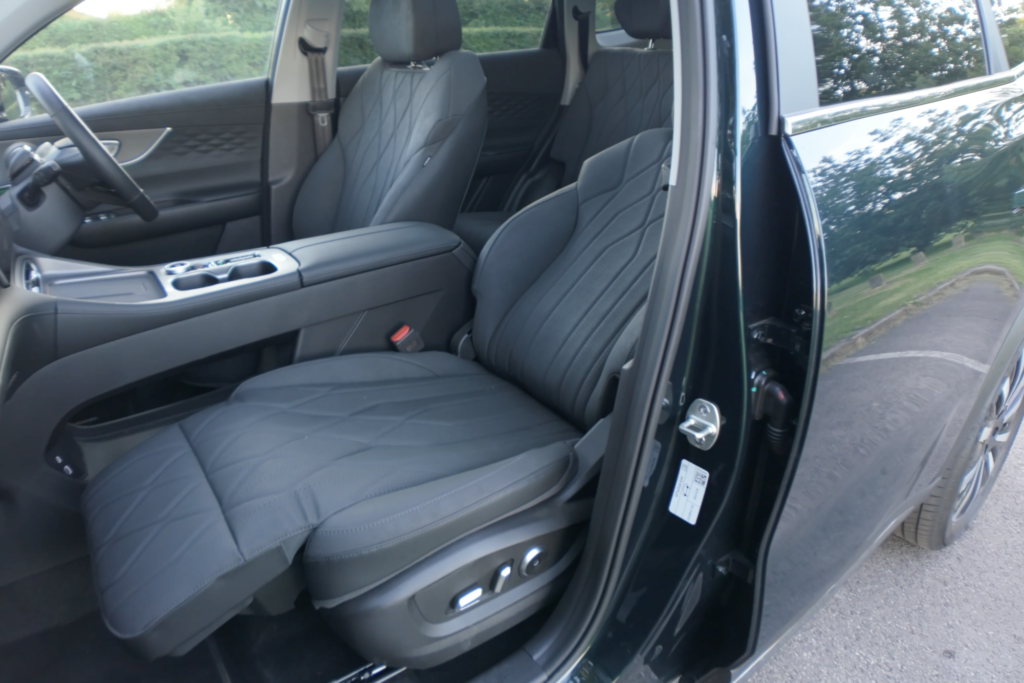
The front row seats are big and comfortable, with a long base cushion that’s plenty for most legs and chunky side bolsters, finished in a synthetic leather. The driver gets six-way power adjustment and the passenger four-way manual adjustment, with power for the passenger on the Summit, which also brings heated and ventilated front seats and a heated steering wheel.
The Summit’s front passenger seat also has what Chery calls a princess mode, with a leg rest that pops out so you can lie back, chill out and turn the massage on if you want to be treated like royalty. You can even adjust it from the back row to free up legroom, which is more of a Chinese feature, but nice to have.
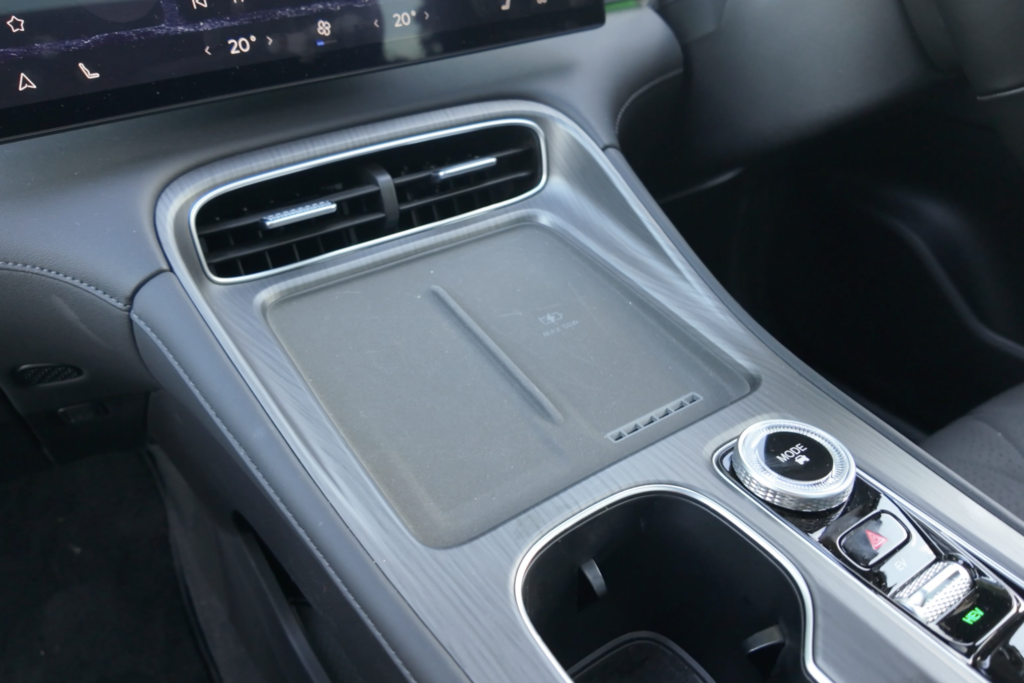
Materials are good, with soft surfaces on all the high-up parts of the dashboard and harder plastics lower down, and it all feels really well constructed. Storage is plentiful, with a large air-conditioned centre box, more space underneath with USB-A and USB-C sockets, a decent glovebox and good door pockets. The 50W ventilated wireless charger has been moved to the right-hand side for right-hand-drive markets, which a lot of brands don’t bother doing, so credit for that.
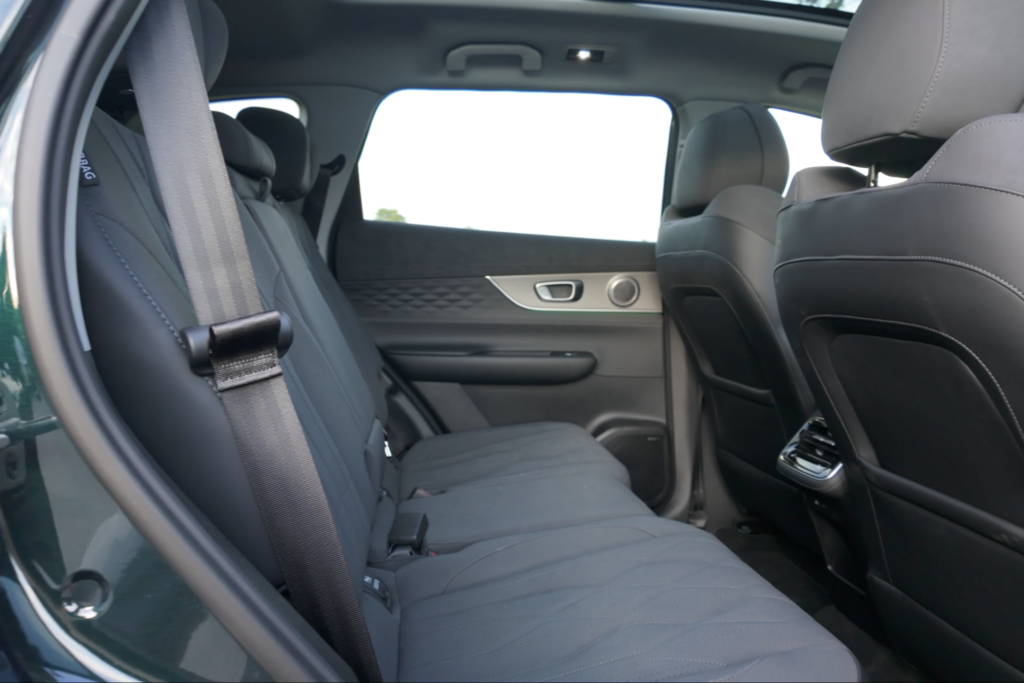
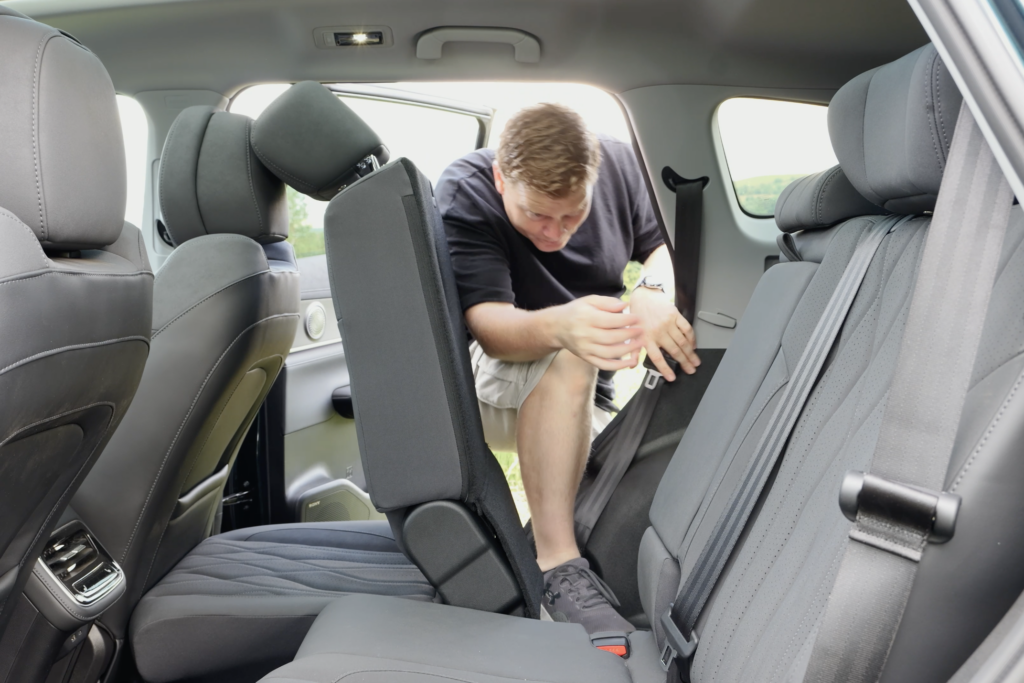
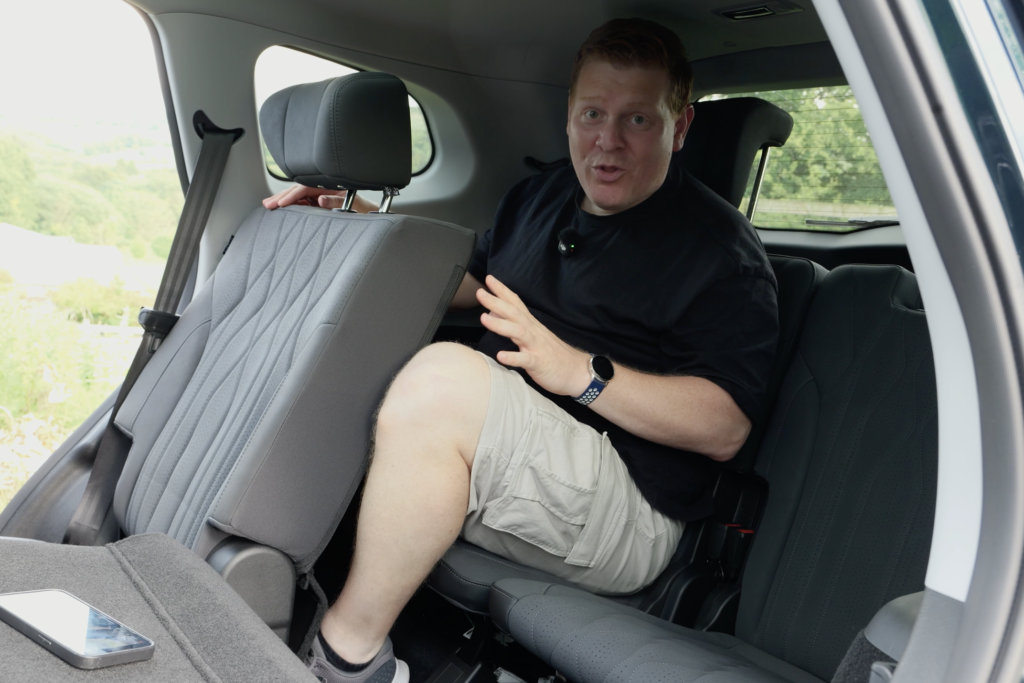
The second row is a three-seat bench that comes with plenty of space all round, but a little less than you’ll find in a Kodiaq which benefits from a longer wheelbase. As a result, bulky child seats do make it a little tight, as my daughter’s footprints on the back of the front seat could attest, but the bench slides which does help, and the Summit adds heated outer rear seats. There are adjustable vents, a centre armrest with cup holders, and more USB-A and USB-C sockets.
Getting into the third row is a bit of a gymnastic move for most adults. The seat will tilt and slide forward, but only the left-hand side has the handle, which isn’t ideal in right-hand-drive markets where kids will usually climb in from the kerb side. Once you’re in, with the middle row slid back, an adult will find their knees steeply raked and headroom is another issue. Sliding the middle row forward a bit helps with the legroom, and for children it’ll be fine, but the headroom limitations remain. There are cup holders and a bit of storage, but no USB ports and no ISOFIX, so child seats stay in the middle row.
What about the tech?
The biggest change from the Tiggo 7 is the infotainment. Instead of the Tiggo 7’s two integrated screens, the Tiggo 8 has a 15.6-inch tablet-style screen running on a Snapdragon 8155 chip, and it’s a lovely, slick system that runs a lot better than the one in the Tiggo 7.
There are customisable shortcut tabs and a permanent toolbar along the bottom with your music, sat-nav, seat controls and climate controls, which you can adjust without going into a menu, exactly how we like it. Wireless Apple CarPlay and Android Auto are standard, there’s ChatGPT if the car is connected to the internet, and there’s a voice assistant that can open the panoramic sunroof, change the radio station or make phone calls. It’s not as clever as the AI assistants in Chinese-market cars, but it’s very good.
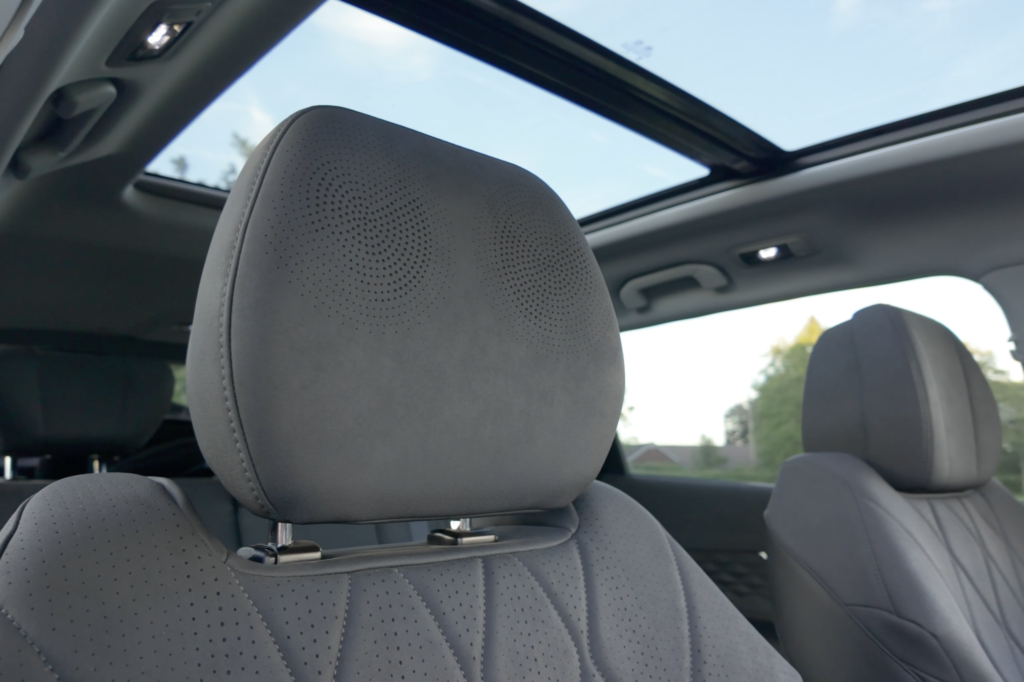
The driver gets a 10.25-inch digital instrument display, and unlike the Tiggo 7, the Summit adds a clear head-up display showing your speed and the speed limit. The base car has eight Sony speakers, while the Summit gets 12, including two in the driver’s headrest, for a bit more beef.
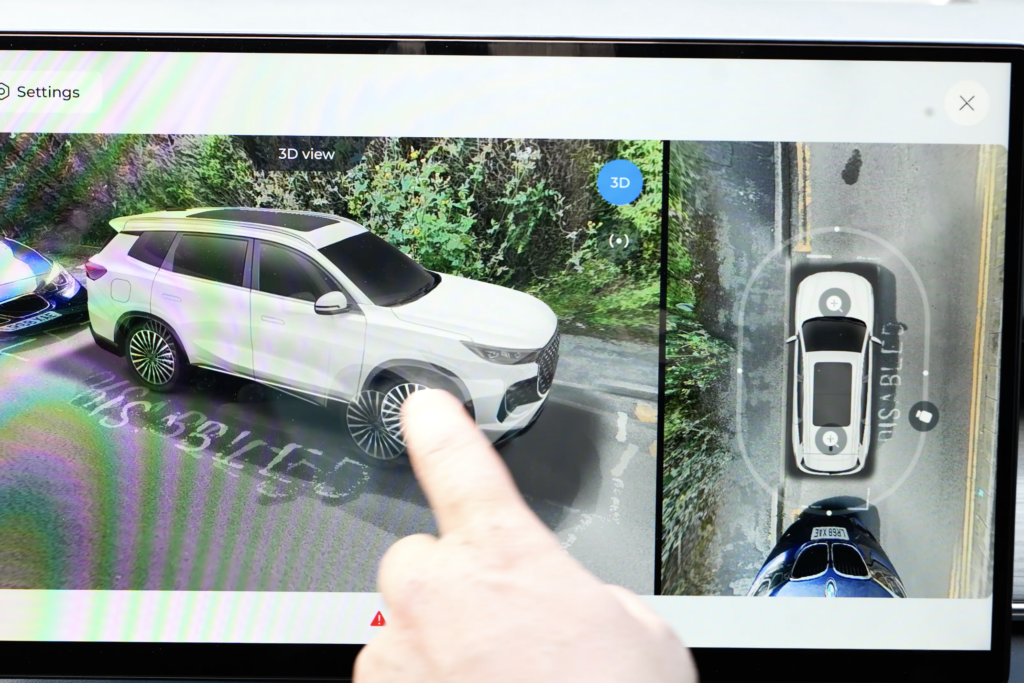
As in many Chinese cars, the main gripe is the need to turn off the speed limit warnings, driver distraction alerts and lane-keeping bongs one by one, before every journey. The steering wheel uses the same capacitive touch buttons as the Tiggo 7, which you have to look at to use, but at least there’s a 540-degree camera system with a transparent chassis view, so you can see all around the car from the driver’s seat.
What’s it like to drive?
The Tiggo 7 and Tiggo 8 share a drivetrain, but they have slightly different characters. The Tiggo 7, for my liking, was a bit more driver-focused, with heavier, more precise steering and a ride that really suited the UK’s chopped-up surfaces. The Tiggo 8 is the more laid-back big brother. Its steering is softer and less precise, a lot closer to what you might expect from a Chinese car, and on roads with that fine, busy surface you’ll feel a little more vibration through the cabin. By no means is it a bad-riding car. It’s just different.
Around town it drives like an electric car, because the electric motor does most of the work. You get the same instant torque and power delivery as the Tiggo 7, and if anything it’s slightly more responsive. In the Tiggo 7, if you rolled into a roundabout, braked and then accelerated out, there was a slight delay before the power came. There’s no such delay in the Tiggo 8.
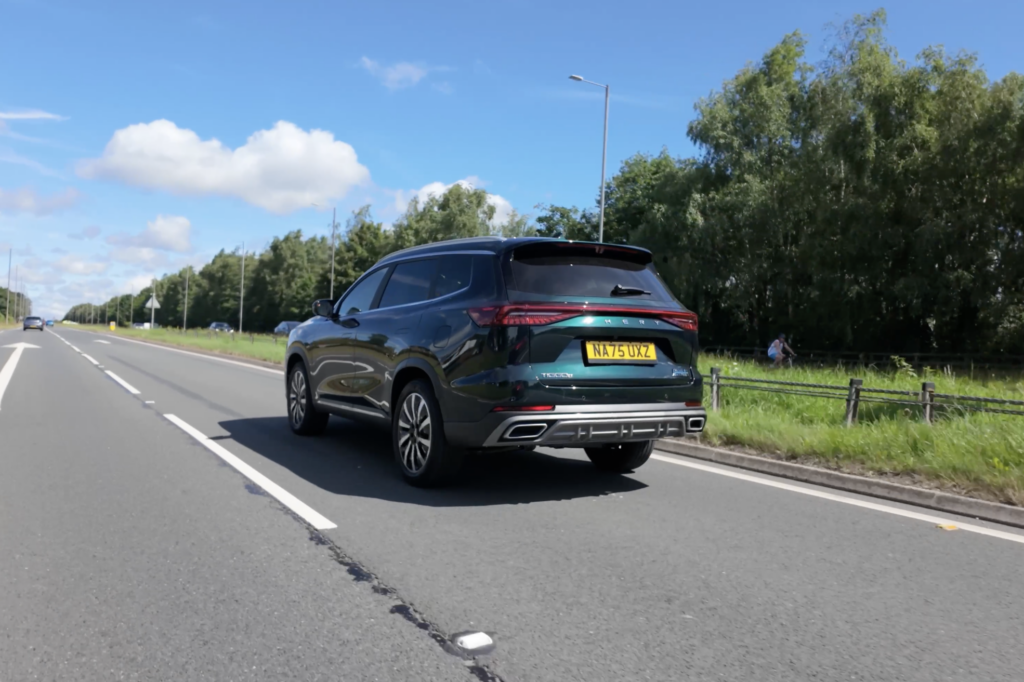
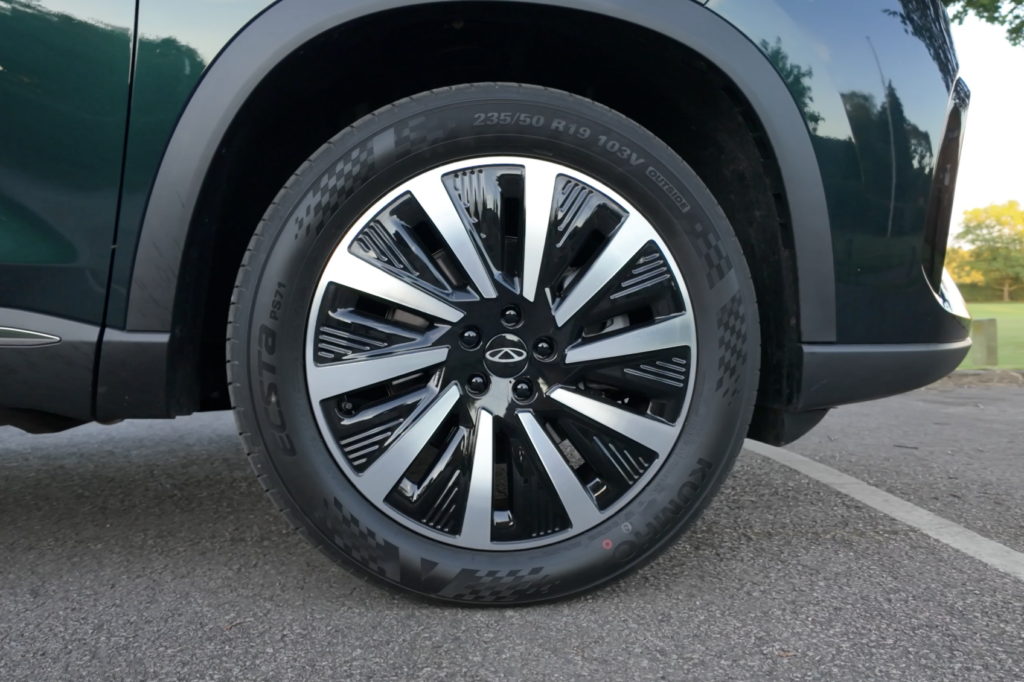
The electric motor produces 150kW (201hp) and 365Nm on its own, drawing on an 18.4kWh battery. When the battery runs low, the engine starts charging it, and on the motorway it can also drive the front wheels directly for a bit more grunt. With both working together, Chery quotes 265kW. The official 0-100km/h time is 8.5 seconds, but it feels quicker than that. It is only front-wheel drive, with 166mm of ground clearance and 19-inch wheels, so think of it as a car for daily driving and a bit of soft-roading.
Chery claims up to 235.4mpg combined, a figure that only makes sense if you’re charging regularly. Over my last 31 miles the trip computer showed 50.4mpg, with 56.5mpg on its combined reading, so I’m not entirely sure how Chery calculates its figure. Owners who charge at home on their driveway will likely only need to fill up every few weeks however, and Chery claims an overall range of up to 745 miles and around 56 miles on electricity alone. A 30-80% DC charge takes about 20 minutes, and there’s 3.3kW vehicle-to-load if you want to run power tools or appliances from the car.
The driver assistance is less impressive. The adaptive cruise control is totally fine, but the lane-keeping assistance bounces between the lines and isn’t comfortable to use. You find yourself constantly nudging the car back into the middle of the lane, so if it were up to me, I’d switch it off.
How much does it cost, and what else should you consider?
In the UK, the Tiggo 8 CSH starts at £33,545 for the entry-level Aspire, which is really good value. The flagship Summit, which adds the heated and ventilated seats, the massaging princess seat, the head-up display, the 12-speaker audio and the powered tailgate, costs £36,545, which again is a really good deal.
The only real rival I can think of at that money is the MG S9 seven-seat plug-in hybrid, and I’d expect the two to be fairly close on price. For a seven-seat plug-in hybrid with this much equipment, the Tiggo 8 is very hard to argue with. It also comes with a seven-year or 100,000-mile warranty, with eight years or 100,000 miles on the hybrid battery.
Conclusion
So, what do you get if you take a Tiggo 7 CSH, add a third row and improve the tech a little? A Tiggo 8 that offers quite a bit more for just a few extra pennies.
It’s bigger and more mature, which makes it a little softer and less enjoyable to drive than the Tiggo 7, but it has the same smooth, efficient drivetrain, is slightly more responsive, and you get more space, better equipment, much better software, and a third row that’s useful for kids, even if it’s tight for adults.
I can see why Chery has made a bit of a storm in the UK, and if it keeps bringing out cars like this, it’ll continue to do so.
We like: Strong value for a seven-seat plug-in hybrid; smooth, EV-like drivetrain; slick 15.6-inch screen; comfortable seats and a well-built cabin
Not so much: Wandering lane-keeping assistance and bongs that need switching off every trip; capacitive steering wheel buttons; tight third row with awkward access
Verdict: Less engaging than the Tiggo 7, but more practical, better equipped and a seriously strong-value family car.
Inside China Auto Score
| Category | Score | |
|---|---|---|
| Design & Cabin | 7.0 | Classy, soft-surfaced cabin with good seats, let down only by capacitive wheel buttons. |
| Tech & Intelligent Driving | 7.0 | Slick 15.6-inch screen and a 540-degree camera, but wandering lane-keeping and endless bongs. |
| Driving & Performance | 7.0 | Smooth, responsive and EV-like, but softer and less precise than the Tiggo 7. |
| Range & Charging | 8.0 | An 18.4kWh battery, 745 miles of claimed range and a 20-minute 30-80% DC top-up. |
| Value | 8.5 | Seven seats and a plug-in hybrid for £33,545 is hard to beat. |
| Total | 7.5 |
Chery Tiggo 8 CSH specifications
| Model tested | Chery Tiggo 8 CSH Summit |
| Price (UK) | £33,545 (Aspire) to £36,545 (Summit) |
| Drivetrain | 1.5-litre turbo petrol and electric motor, front-wheel drive |
| Electric motor | 150kW, 365Nm |
| Combined output | 265kW (claimed) |
| 0-100km/h | 8.5 seconds |
| Battery | 18.4kWh |
| Electric range | Up to 56 miles (90km) |
| Total range | Up to 745 miles (1,199km), claimed |
| DC charging | 30-80% in around 20 minutes |
| Vehicle-to-load | 3.3kW |
| Length | Approx. 4.75 metres |
| Ground clearance | 166mm |
| Seats | Seven |
| Boot | 117 / 494 / 1,930 litres |
| Wheels | 19-inch |
| Screens | 15.6-inch touchscreen, 10.25-inch instrument display, head-up display (Summit) |
| Warranty | Seven years or 100,000 miles; battery eight years or 100,000 miles |