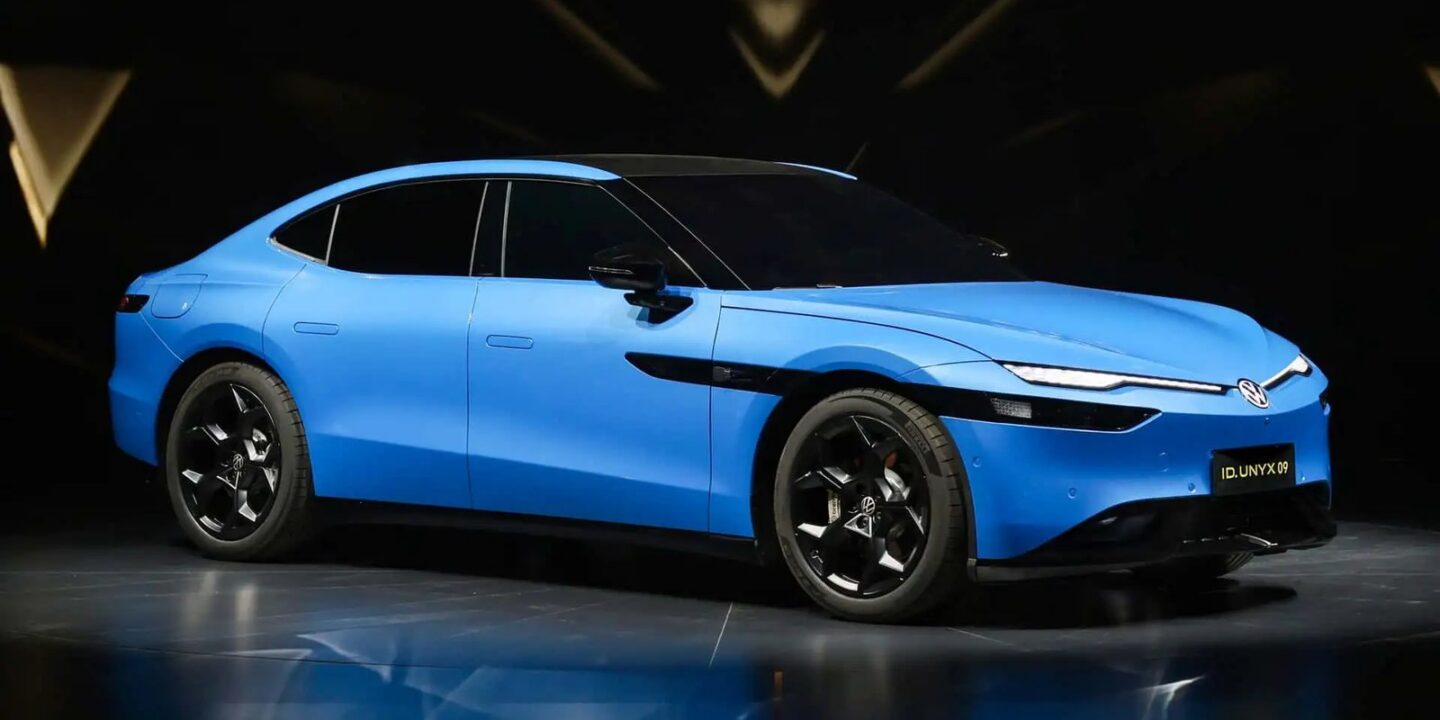
Volkswagen Group China can now test L3 autonomous driving on public roads in Hefei, as it works towards a 2027 launch for the technology.
Volkswagen has moved a step closer to conditional eyes-off driving in China. Volkswagen Group China has received an L3 autonomous driving road-test permit in Hefei, Anhui province, and has started real-world testing and data collection there. The company announced the permit on 26 October.
“The L3 test qualification lets us test in real traffic in Hefei and collect data at scale,” says Ralf Brandstätter, head of Volkswagen Group China.
Hefei is home to Volkswagen Anhui and the group’s China technology centre, which employs more than 3,000 engineers. The permit allows real-world testing and large-scale data collection under China’s latest safety requirements, on urban roads, expressways and other representative routes. Test scenarios include complex intersections, roadwork zones and low-light night driving.
It is a road-test permit rather than a product approval, so it does not allow sales or customer use of L3 functions. Volkswagen has not said which vehicles it is testing, how many, or on which routes.
L3 readiness targeted for 2027
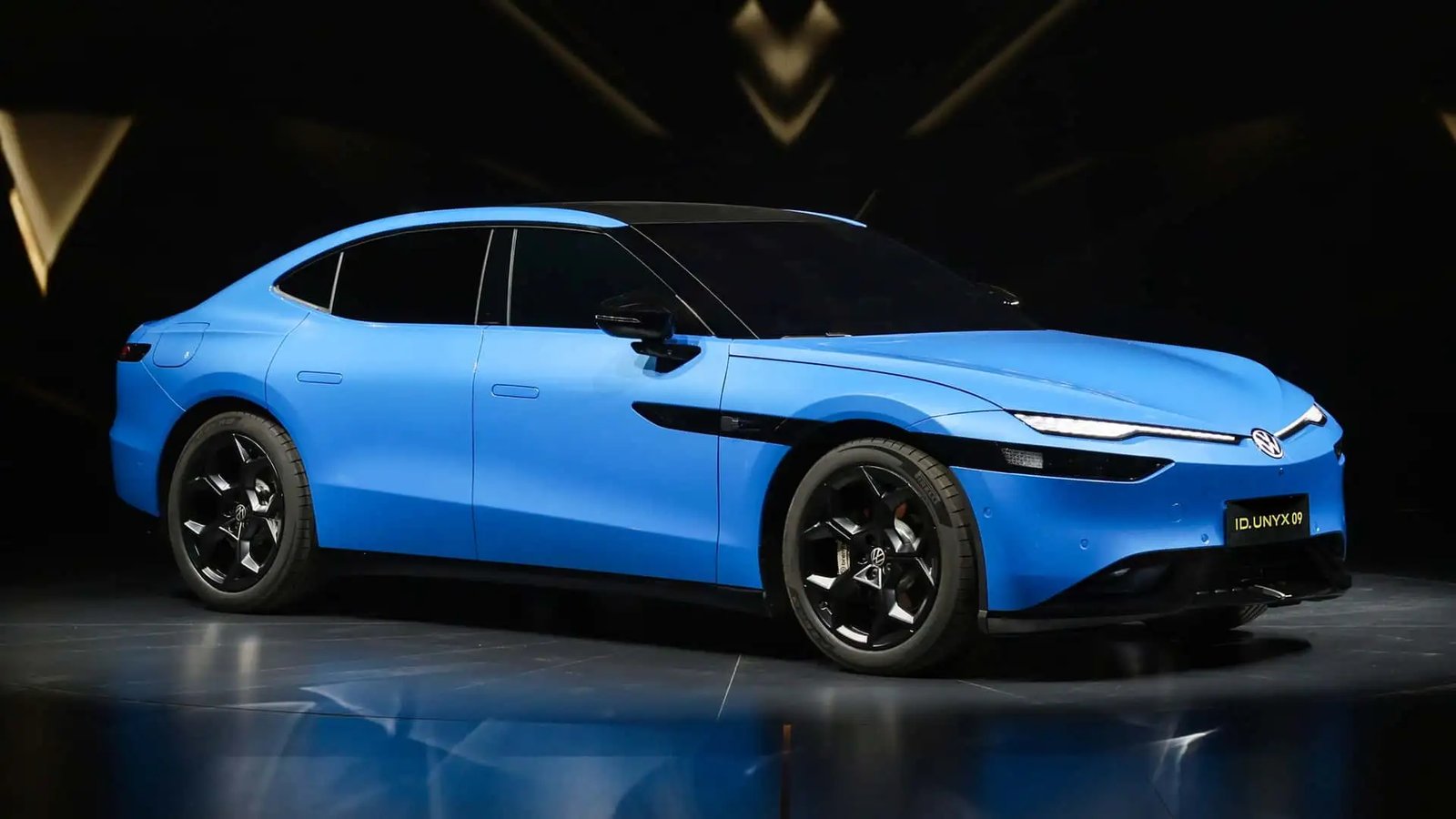
Volkswagen says the testing supports its goal of L3 technology readiness in 2027, and under plans announced in July the first L3-capable cars could reach Chinese customers in the second half of that year. Frank Han, executive vice president of Volkswagen Group China and CEO of Cariad China, said in April that the group is targeting L3 in 2027 and L4 in 2029.
The software comes from CARIZON, the joint venture between Volkswagen’s software company Cariad and Horizon Robotics, set up in December 2023. Volkswagen invested about €2.4 billion for a 60% stake. CARIZON’s HS8 driver assistance system is already in mass production and is going into seven new models from three of Volkswagen’s Chinese joint ventures, starting with the ID.ERA 5S.
China’s L3 rollout
China’s Ministry of Industry and Information Technology (MIIT) gave the first conditional L3 product approvals to two cars in December 2025. The Changan Deepal SL03 can use L3 in single-lane congested traffic at up to 50km/h on designated roads in Chongqing, and the BAIC Arcfox Alpha S at up to 80km/h on designated highways and expressways in Beijing. MIIT says a second batch of approvals is under way, and a mandatory national safety standard for automated driving systems takes effect on 1 July 2027, according to CnEVPost.
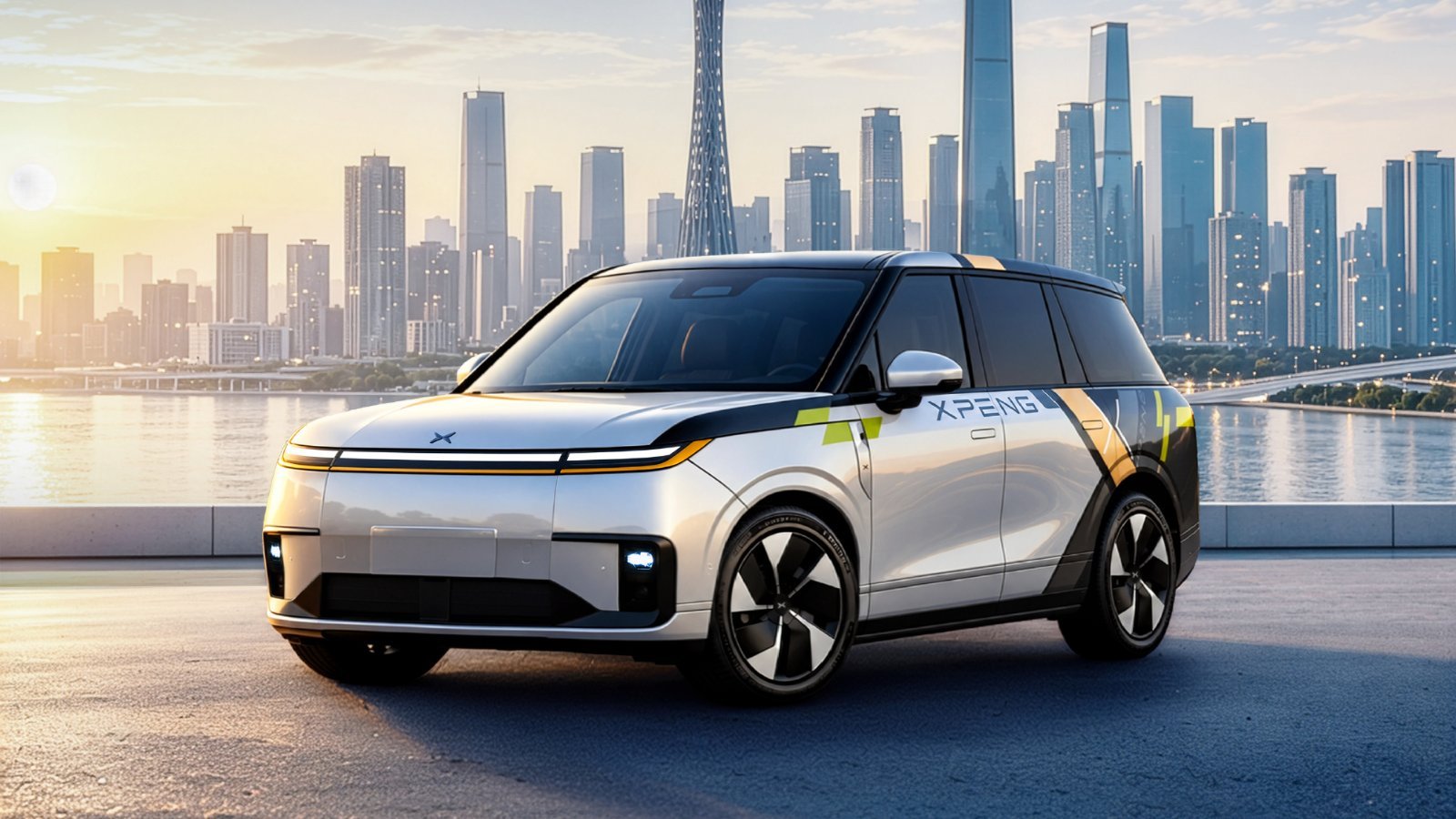
Volkswagen wasn’t the only one with news on 26 October. The same day, XPeng’s Yoyo robotaxi was approved for L4 demonstration operations across Guangzhou. XPeng is targeting driverless passenger service in 2027.