Brand’s arrival will be spearheaded by all-new ES GT and heavily updated ET SUV in BEV and EREV forms.
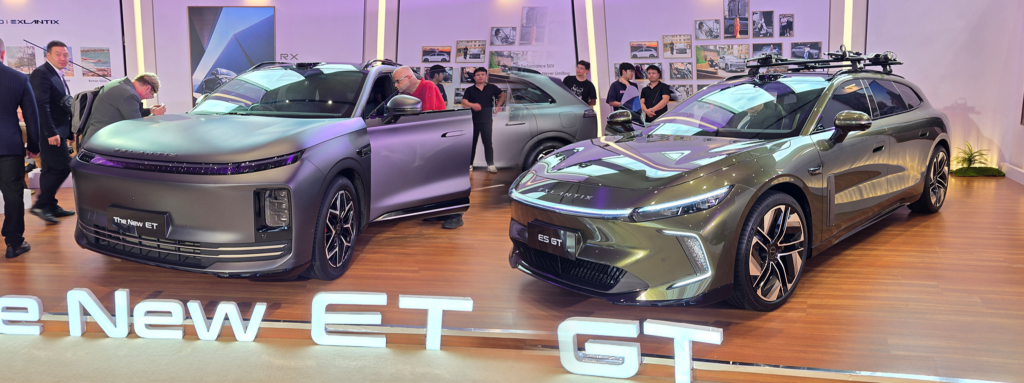
Exlantix, the export marque of Chery’s Exeed premium brand, has confirmed plans to enter the UK, Australia, and New Zealand in 2027 with the new ES GT shooting brake and a heavily updated ET SUV.
The announcement by CEO Lillian Xiong was made at a reveal of Exeed’s new design language at Chery’s new R&D and Design centre in Shanghai, with right-hand drive versions of the two debut models on display.
Both models feature significantly upgraded interiors and minor external cosmetic changes from their original models, in the ES GT’s case the ES saloon with the shooting brake still awaiting its production debut.
While the new models align with Exeed’s current design style, guests were given an exclusive first look at the brand’s future design language which will see the brand push further upmarket with crisp designs heavily influenced by Rolls-Royce.
Exterior updates to ES and ET
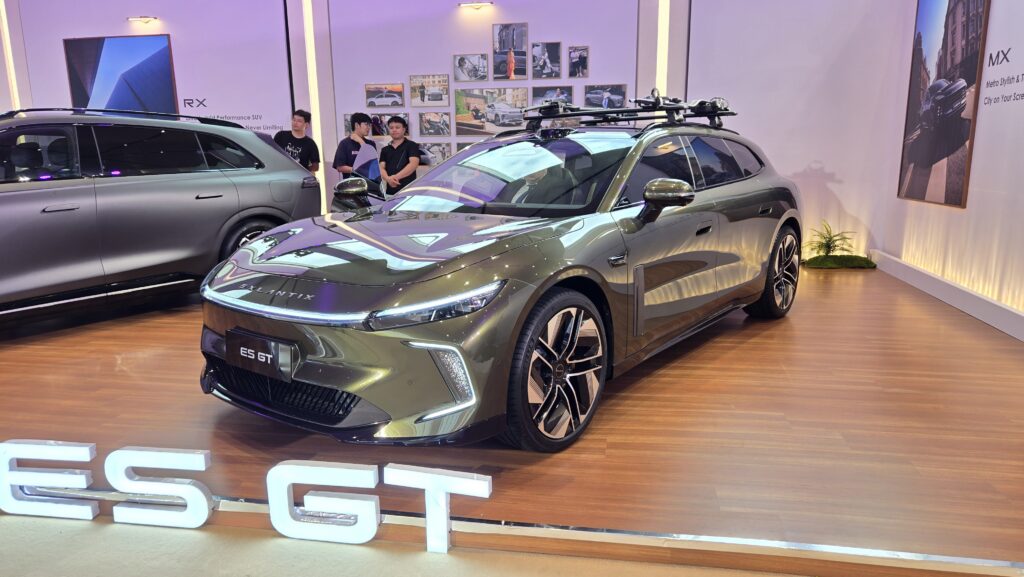
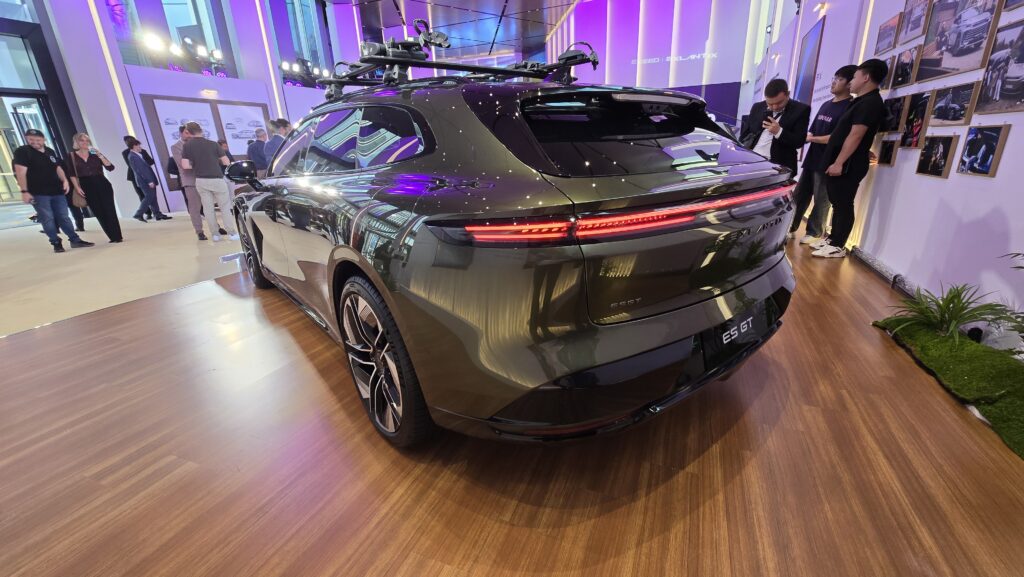
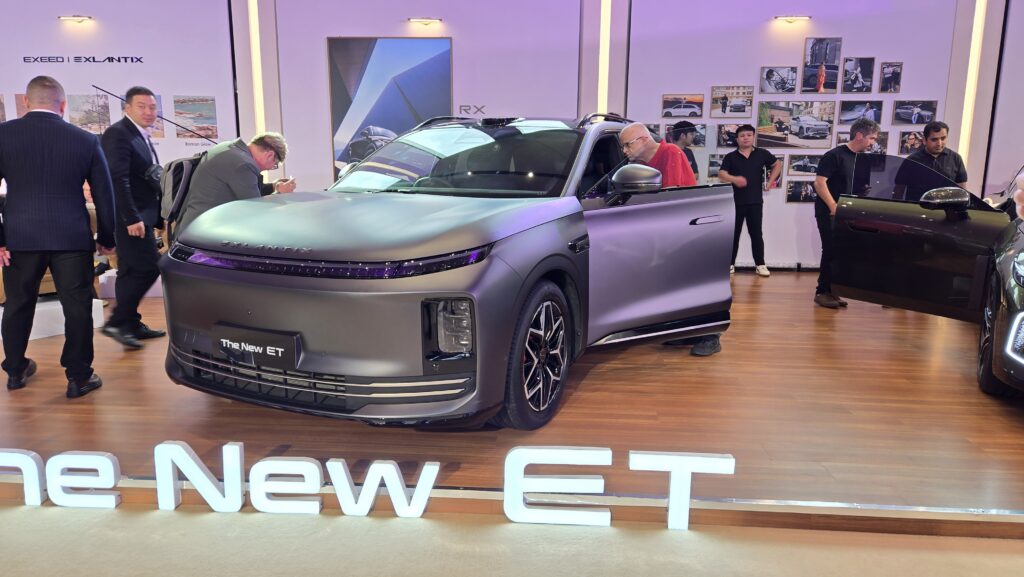
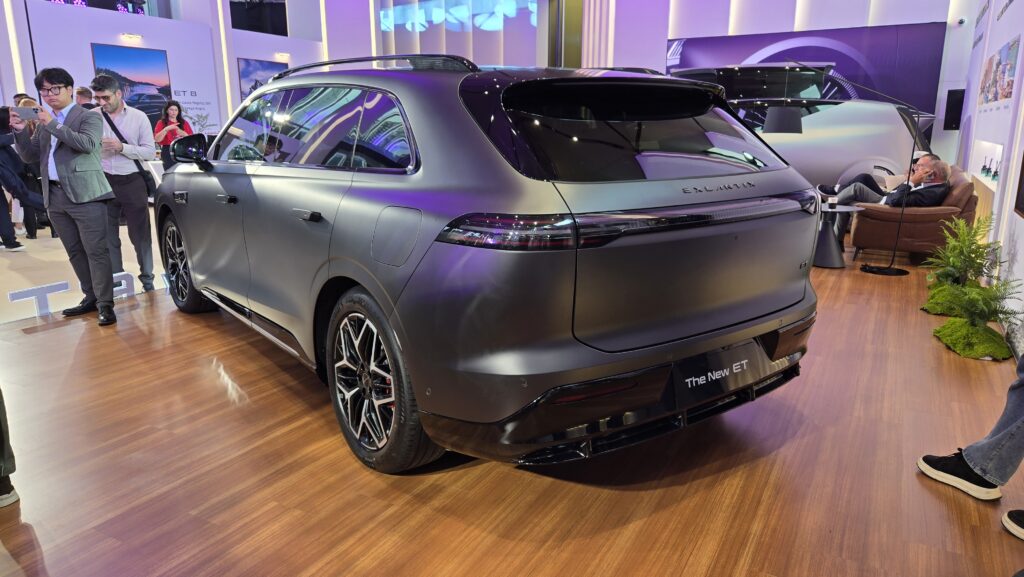
While not yet fully production ready, the ES GT shows what’s expected to be the final design for the ES7 GT which debuted at last year’s Guangzhou Auto Show, with minor modifications to the front end that widen the overall design and add a little extra depth to the headlight units.
At the rear, shorter full-width daytime running lights and crisp styling give a full-bodied look that sits somewhere between a Taycan Crossturismo and Zeekr 7GT, albeit with a more upright and likely more practical rear window, while the ES’s narrow track issues seem to have been resolved with a much improved stance that now matches the width of the body.
The ET, reviewed by us in its original form two years ago, gets more cohesive front end styling with a rectangular stance, reducing the car’s overall bulk, but most other details remain the same, including the slightly inset wheels and rounded tail, though these may also be updated before the model hits the road with the main focus on the interior changes.
Vastly improved interiors
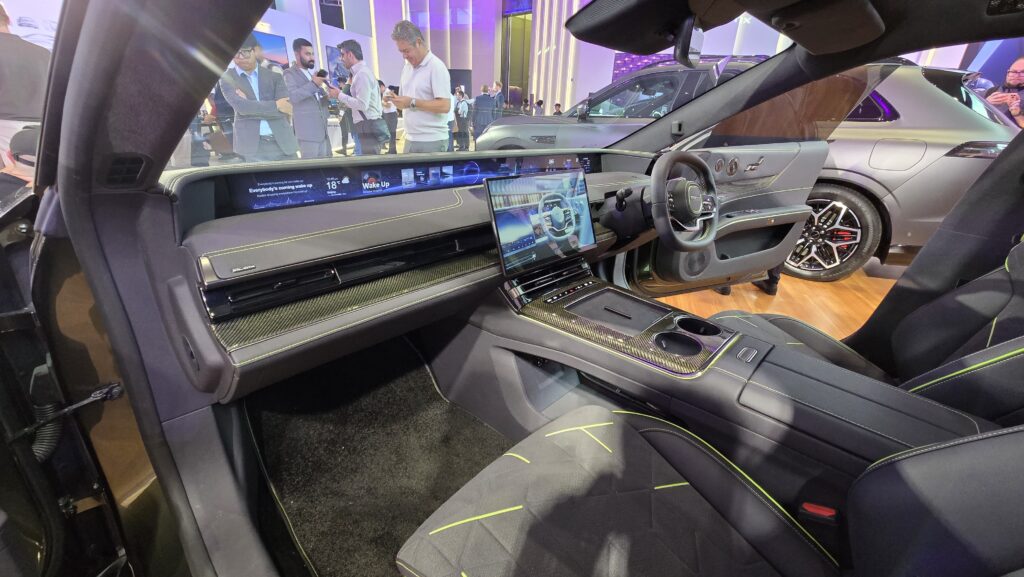
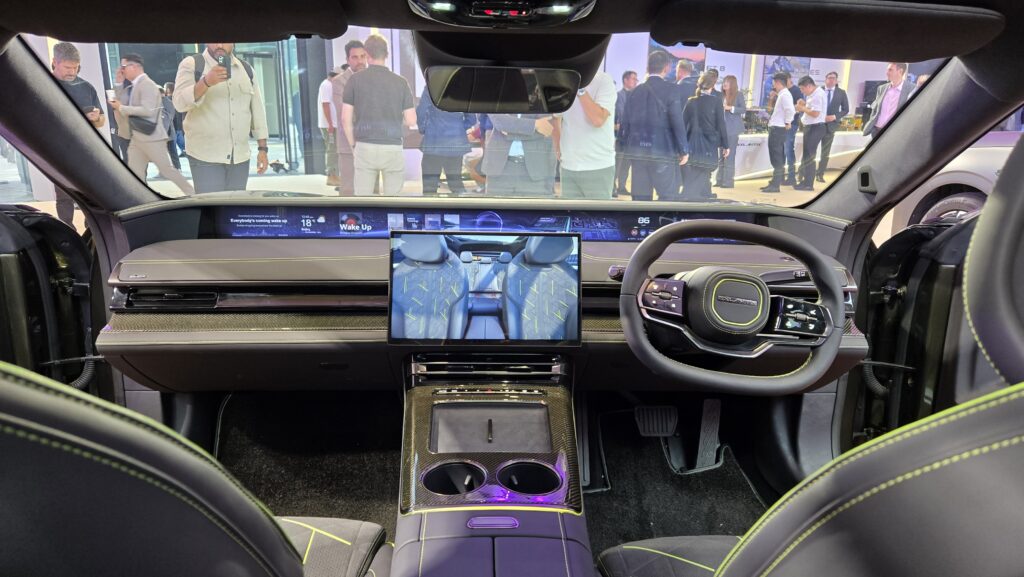
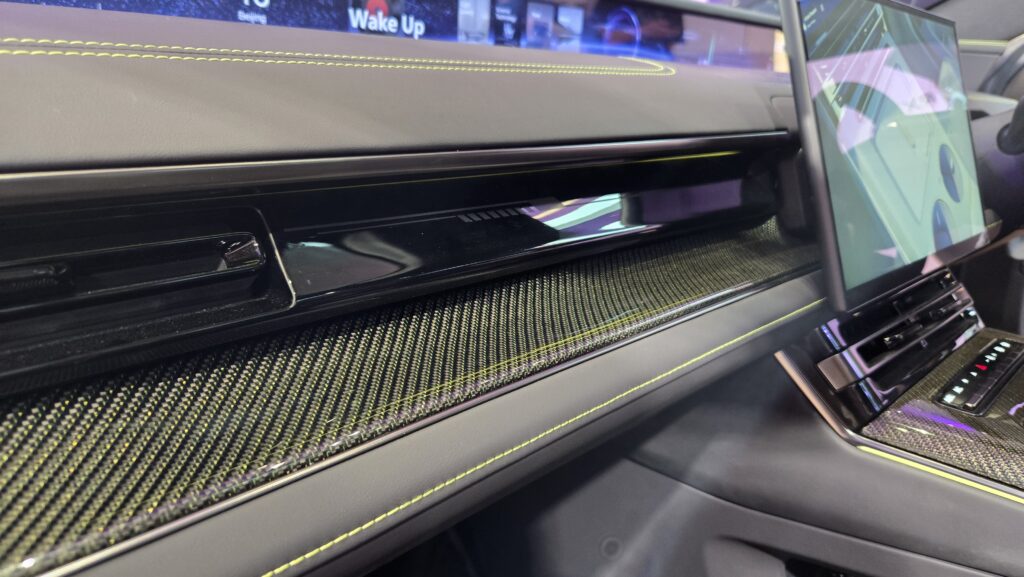
The ES GT shown at the event gives us our first look inside the upcoming shooting brake, with the somewhat bland tablet-dominated interior of the ES being replaced with a more modern aesthetic combining a 40-inch plus panoramic screen at the rear of the dashboard, similar to that in the competing AVATR 06T, with the same 15.6-inch 2.5k screen from the ES.
Material quality has also taken a bump with soft-touch artificial leather across the dash and doors, luminous contrast stitching, lemon-tinged carbon fibre-style panels, and microfibre seats and roof lining.
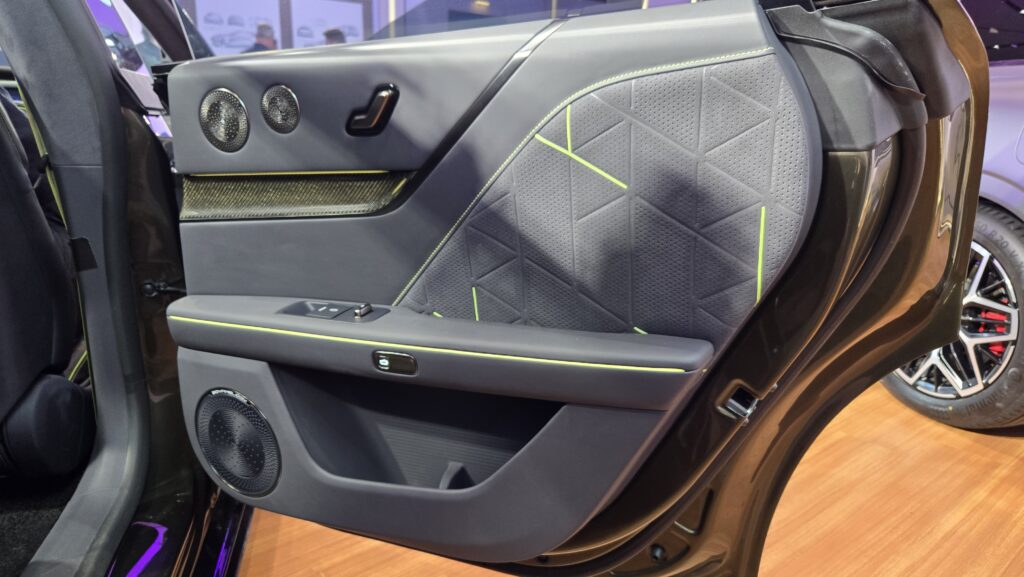
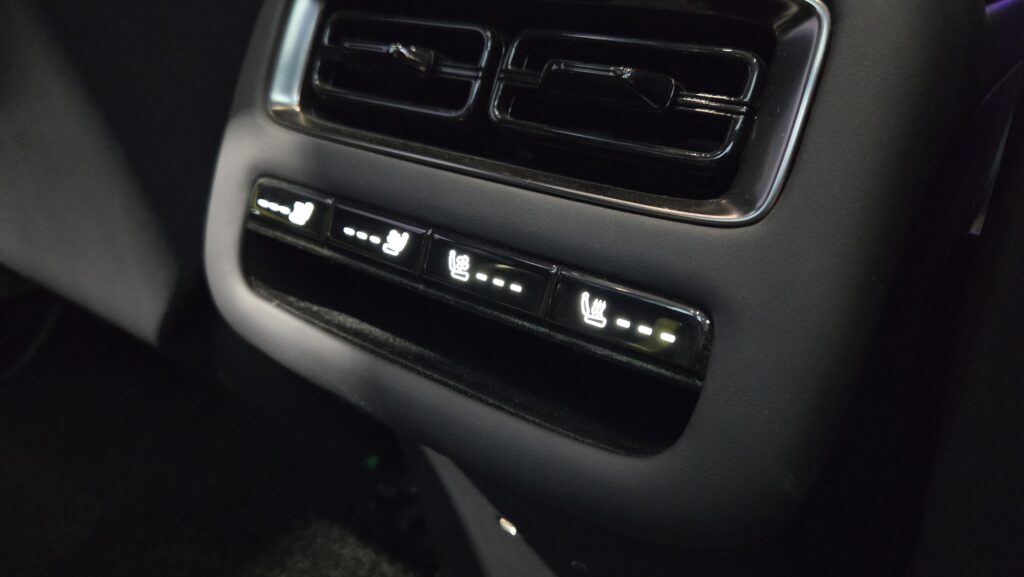
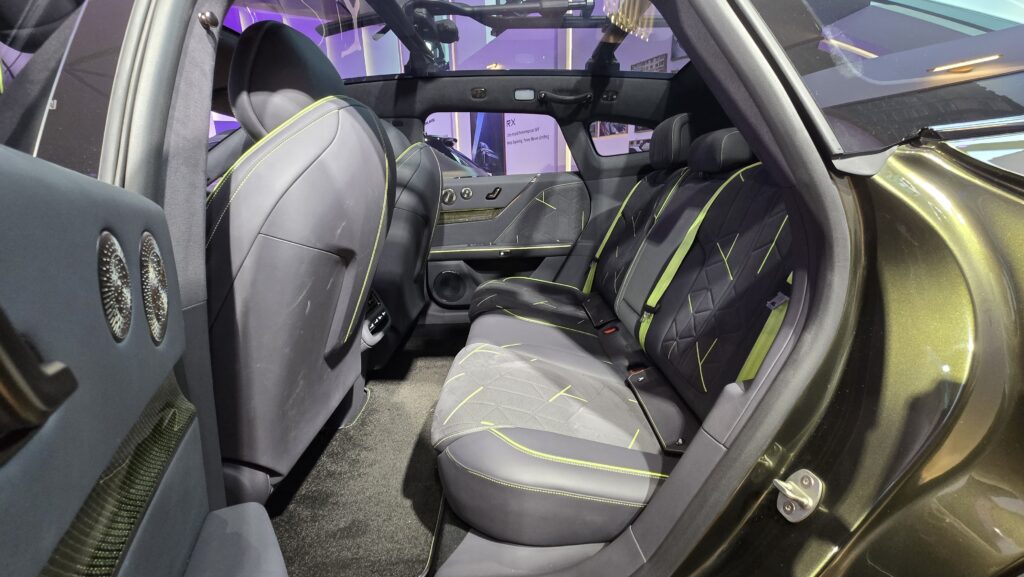
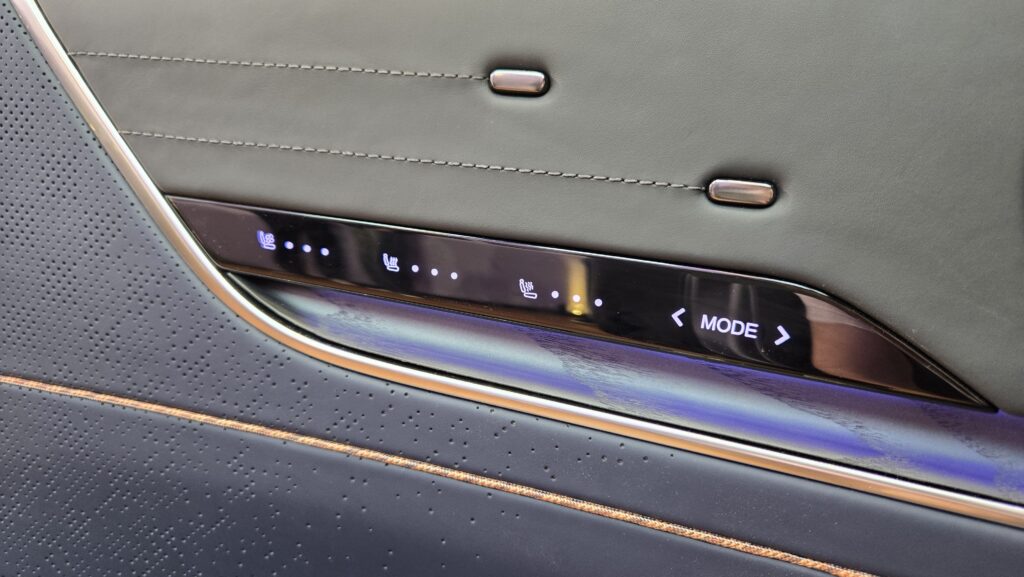
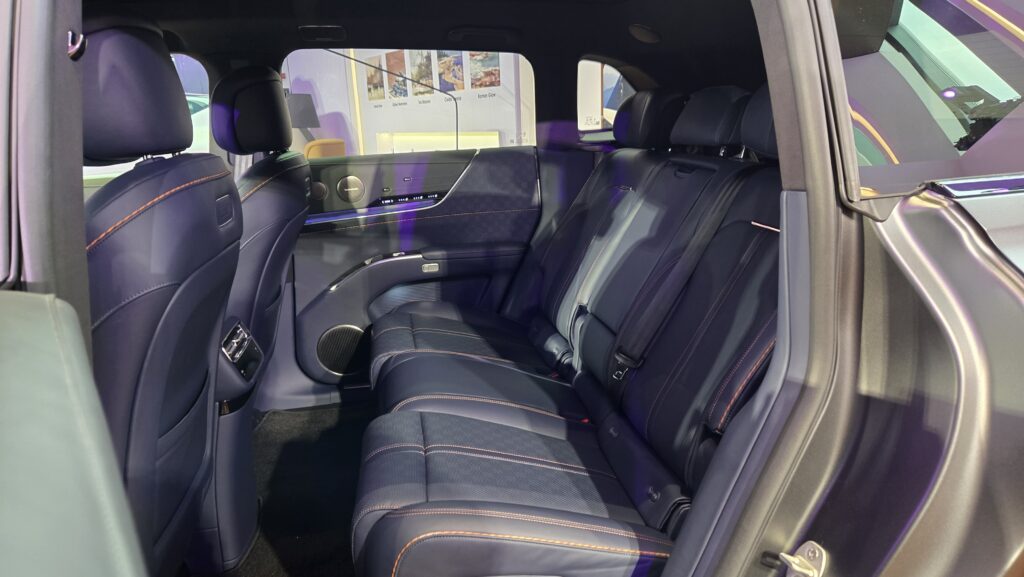
In China at least, customers can expect a 23-speaker sound system, heated, ventilated, and massaging front seats, and heated and ventilated rear seats, with seat adjustment controls in the doors and twin USB-C sockets.
Having sat in the rear seats, the author can confirm that space in all dimensions is good with a steeply angled base cushion making for impressive headroom beneath the large panoramic roof and strong thigh support, improving on the ES saloon’s rear bench considerably.
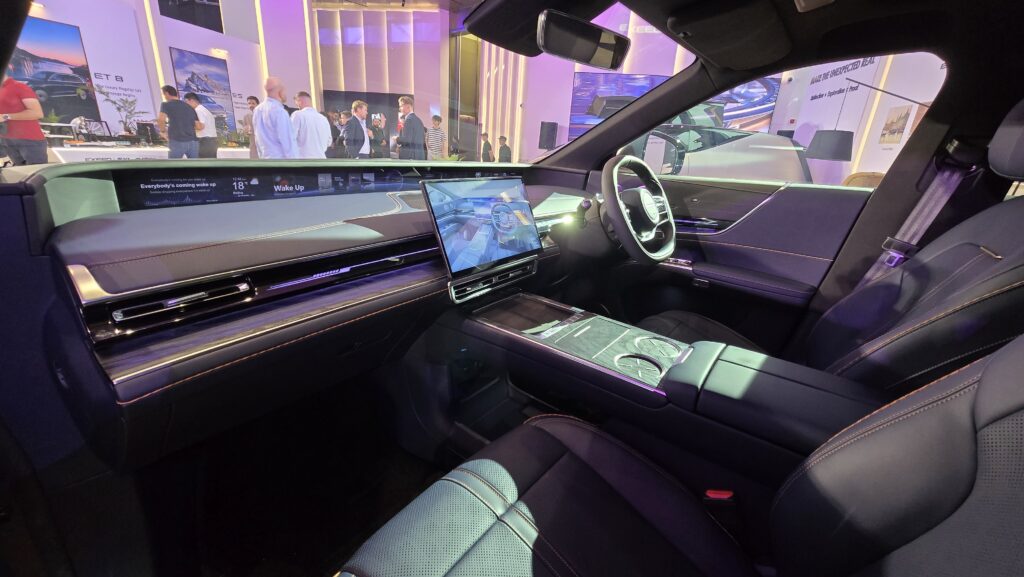
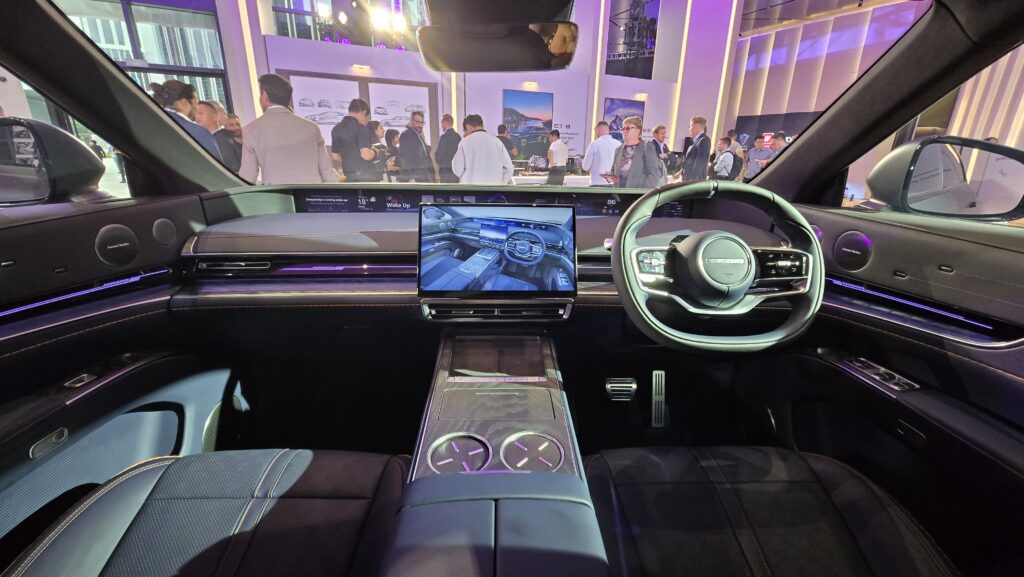
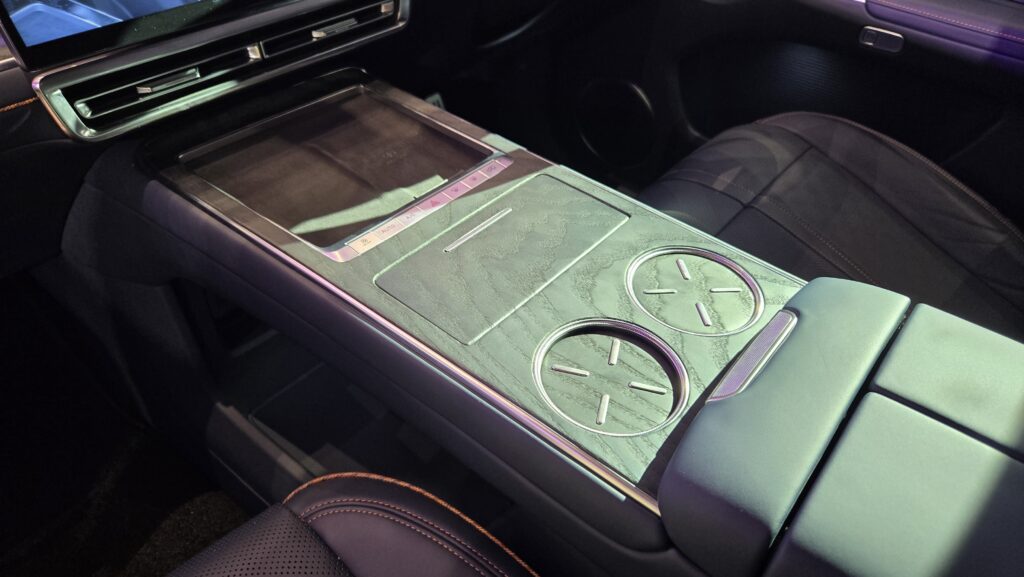
The ET adopts a similar layout to that of the ES GT, offering the same panoramic widescreen at the back of the dashboard, and a closed centre tunnel to replace the original’s open design that was criticised by early customers as being “too bland”.
Rather than the more youthful aesthetic of the ES GT, the ET goes for the premium feel with carbonfibre-esque inlays making way for open pore wood.
Somewhat confusingly, the ET looks set to get a Harmon Kardon sound system, a potential option for the ES GT, and gets a larger steering wheel.
It also looks set to boast heated, ventilated, and massaging rear seats, operated by capacitative touch controls in the doors, as well as a possible fridge in the back of the centre console, though not all of these features may make it abroad.
Uprated Drivetrains
Details of the two models’ drivetrains weren’t provided at the event, but while current ES and ET models feature 800-volt platforms in BEV format, rumours online suggest 1,000-volt upgrades with super fast charging may be implemented, at least on Chinese models, with claims of 5-minute 450km charges on the cards.
In current form, and the one we’d expect to head abroad, both cars offer AWD options with dual-motors producing 353kW in total and 0-100kph sprints ranging from 3.7 to 4.9 seconds, with both BEV and EREV drivetrains available.
It has also been suggested that a Zeekr-busting triple-motor set up may be introduced in China, likely taking 0-100kph times under 3 seconds, but these are only rumours for now.
Current range on the BEV ES saloon is 835 to 860km, so expect slightly less in the GT, while that of the EREV ET is as high as 1,500km with fuel consumption as low as 6.3-litres/100km.
Future of Exeed/Exlantix
The introduction of Exlantix to UK and Oceania means there could be as many as eight Chery Group brands on sale in each by the end of 2027, with Chery, Jaecoo, Omoda, and Lepas already on sale, and Exlantix, Jetour, iCaur, and Freelander next in line.
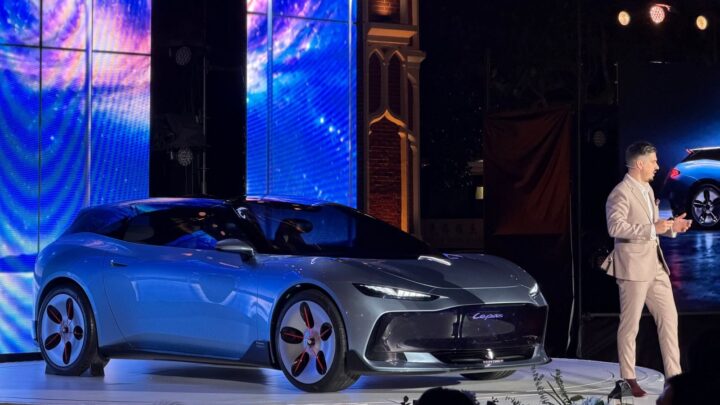
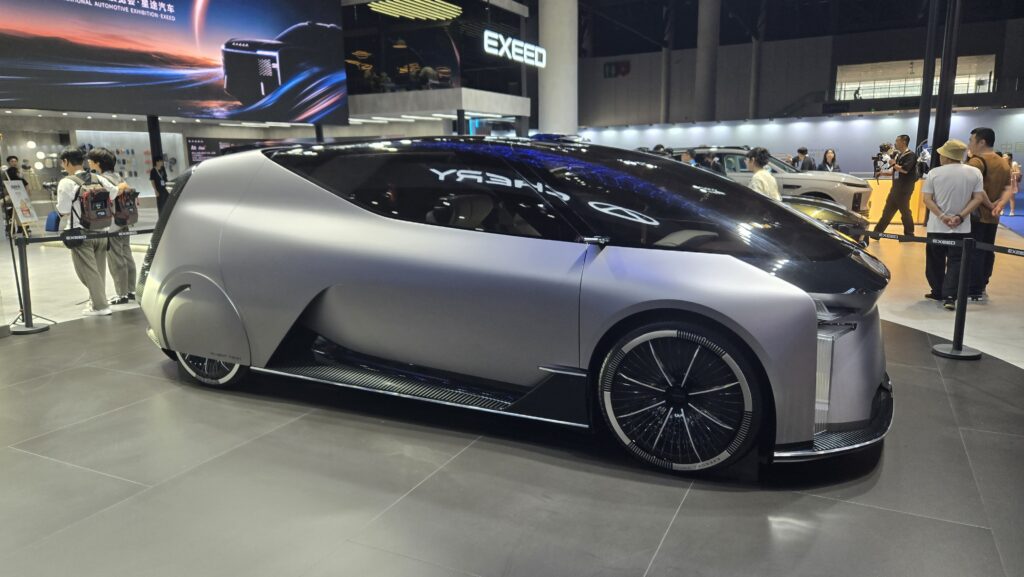
Meanwhile, Exlantix looks to be pushing upmarket based on our sneak preview of their new design language which, contrary to the edgy styling of the Robotaxi concept shown at Beijing this year (above), takes clear inspiration from Rolls-Royce with a large faux-grille design and tall F-shaped daytime running lights.
The brand’s designers told me that they’re working on further refining the initial concepts for EX9, EX8, and EX7 SUVs, a large MPV, and a saloon, but we’ll have to wait and see how they turn out. It’s not too often designers at Chinese brands get to oppose the desires of their CEOs to mimic established brands, as models like the Zeekr 9X, Lynk & Co 900, and XPeng GX demonstrate.
Unfortunately we weren’t allowed to take photos, though we suspect some may appear online elsewhere.